
What is Bar Feeder CNC Lathe?
A Bar FeederCNC Lathe is a machine tool that integrates a bar feeder with a CNC lathe to automate the process of feeding raw material bars into the lathe, enhancing efficiency and precision in manufacturing operations.
Key Features
- Automation: Automatically feeds bar stock into the lathe spindle, reducing manual intervention.
- Efficiency: Increases production speed and reduces downtime between machining operations.
- Precision: Maintains consistent material alignment, ensuring high-quality machining results.
How It Works
- Loading: Raw material bars are loaded into the bar feeder.
- Feeding: The feeder pushes the bar into the CNC lathe spindle.
- Machining: The CNC lathe performs programmed machining tasks on the bar.
- Ejection: Finished parts are ejected from the lathe, and the next bar is fed in.
Benefits
- Reduced Labor Costs: Minimizes the need for manual loading and supervision.
- Consistency: Ensures uniformity in machining, reducing waste.
- High Throughput: Capable of continuous operation, boosting overall productivity.
What is Feed in a CNC Lathe?
Feed in a CNC lathe refers to the rate at which the cutting tool advances along the workpiece. This rate is crucial for determining the surface finish and the overall quality of the machined part.
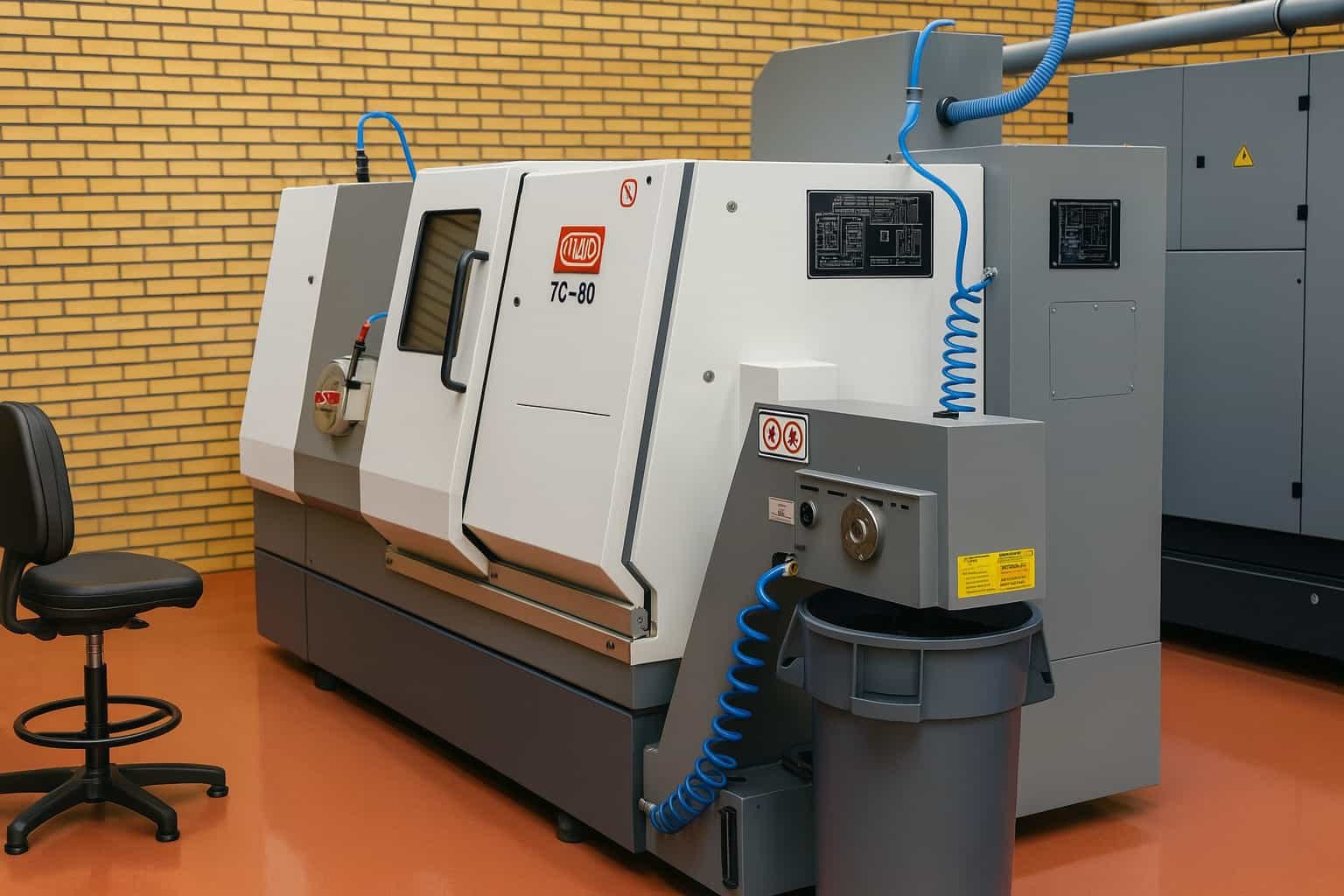
Key Components of Feed in CNC Lathe:
- Feed Rate Measurement: Typically measured in millimeters per revolution (mm/rev) or inches per revolution (in/rev).
- Control Mechanism: Managed by the CNC software, which provides precise control over the cutting tool’s movement.
- Impact on Machining: Affects surface finish, tool wear, and machining time. Higher feed rates can increase productivity but may compromise finish quality.
- Optimization: Balancing feed rate with spindle speed and cutting depth is essential for efficient and high-quality machining.
Understanding feed in a CNC lathe is essential for optimizing machining processes and achieving desired outcomes in manufacturing.
How to Bar Feed Short Bars in a CNC Lathe
To bar feed short bars in a CNC lathe, you need to use a short bar feeder or a pull-type bar feeder designed for shorter lengths. These devices ensure precise feeding and alignment.
Steps to Bar Feed Short Bars:
- Select Appropriate Bar Feeder: Choose a bar feeder compatible with short bars, such as a short bar feeder or pull-type bar feeder.
- Load the Bar: Insert the short bar into the feeder, ensuring it is properly aligned.
- Adjust Feeder Settings: Configure the feeder settings to accommodate the specific length and diameter of the short bar.
- Align the Bar with the Lathe: Ensure the bar is correctly aligned with the spindle of the CNC lathe.
- Initiate Feeding Process: Start the CNC program to commence the bar feeding process.
Key Considerations:
- Precision Alignment: Ensure the bar is precisely aligned to avoid misfeeds.
- Feeder Compatibility: Verify that the feeder can handle the bar’s dimensions.
- Regular Maintenance: Perform regular checks and maintenance on the feeder and lathe for optimal performance.
By following these steps, you can efficiently bar feed short bars in a CNC lathe, ensuring accuracy and productivity.
Bar Feeder vs Manual Loading
A bar feeder automates the process of feeding bar stock into a machine, significantly increasing efficiency and reducing operator intervention. Manual loading requires manual placement and alignment of each bar, which is time-consuming and less efficient.
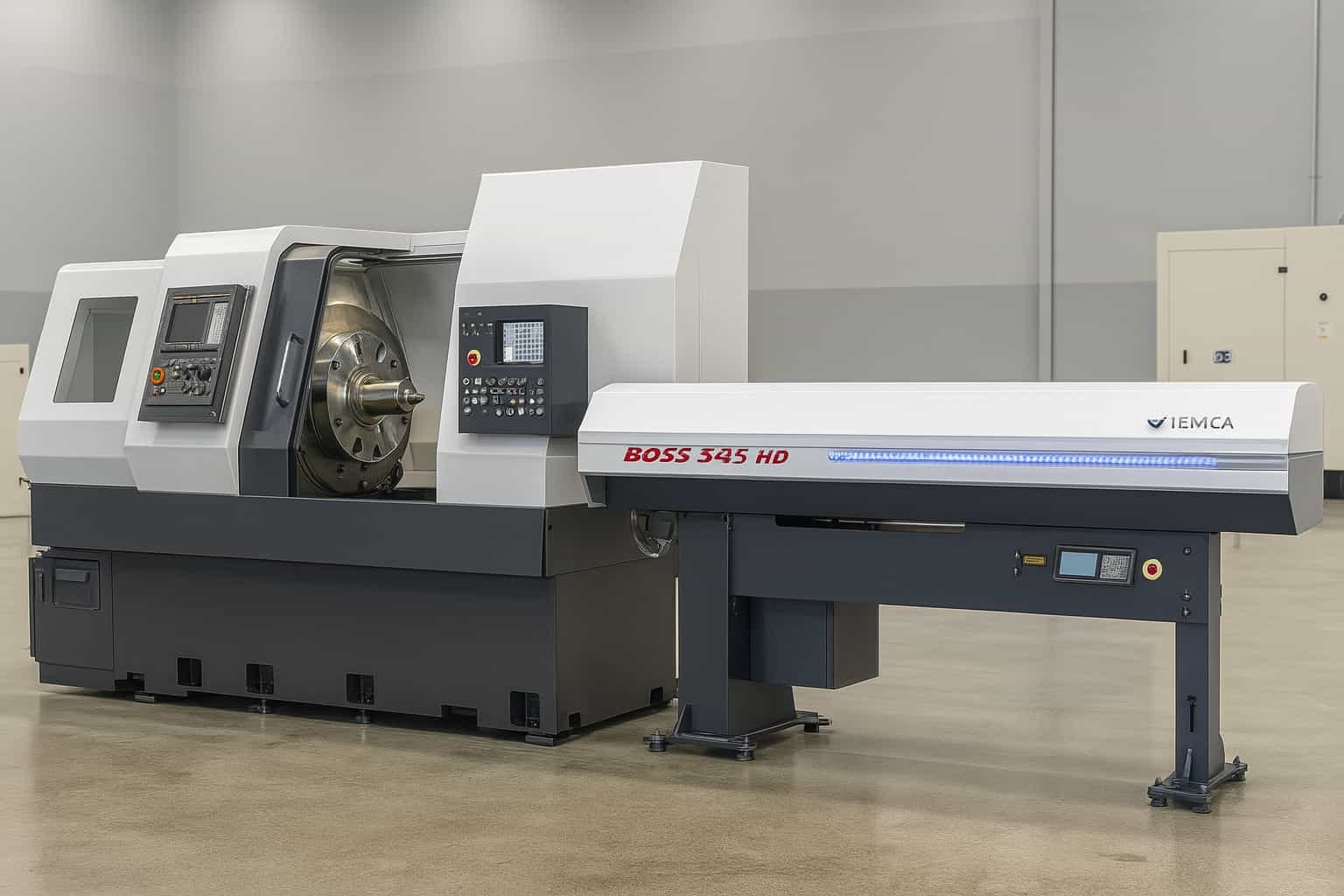
Key Differences
- Efficiency:
- Bar Feeder: Continuously feeds bars, reducing downtime.
- Manual Loading: Requires frequent stops for reloading.
- Labor:
- Bar Feeder: Minimal operator involvement.
- Manual Loading: High operator involvement.
- Precision:
- Bar Feeder: Consistent placement improves precision.
- Manual Loading: Prone to human error, affecting precision.
- Cost:
- Bar Feeder: Higher initial investment but lower long-term labor costs.
- Manual Loading: Lower initial cost but higher ongoing labor costs.
Use Cases
- Bar Feeder: Ideal for high-volume, repetitive tasks.
- Manual Loading: Suitable for low-volume, varied production.
In summary, bar feeders offer automated, efficient, and precise operation, while manual loading is labor-intensive and less efficient, suitable for smaller-scale operations.
Conclusion
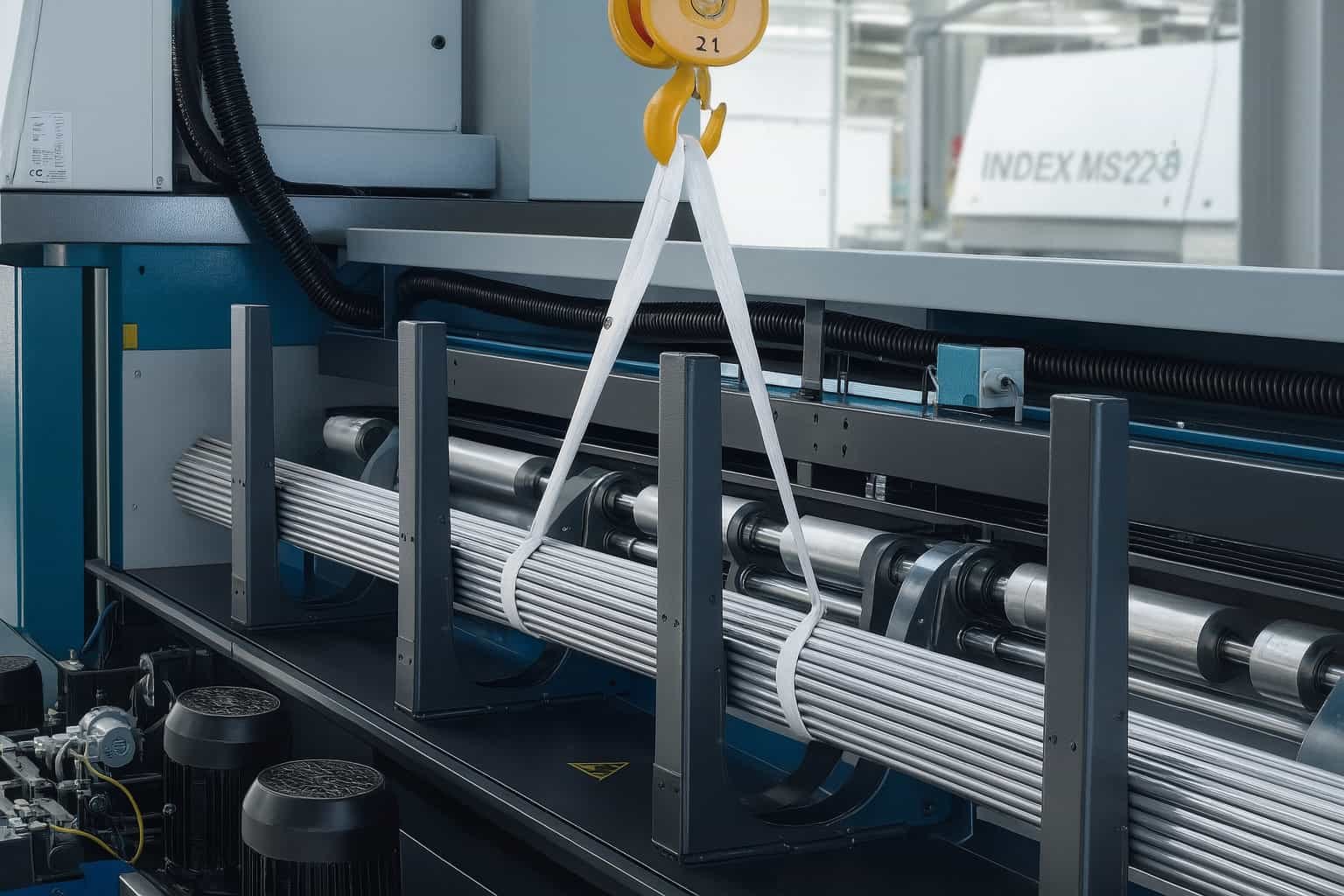
A Bar Feeder CNC Lathe is the perfect solution for turning large quantities of small parts efficiently and with minimal supervision. It combines automation and precision—making it ideal for high-demand industries like automotive, aerospace, and medical manufacturing.