
What is a Swiss CNC Lathe?
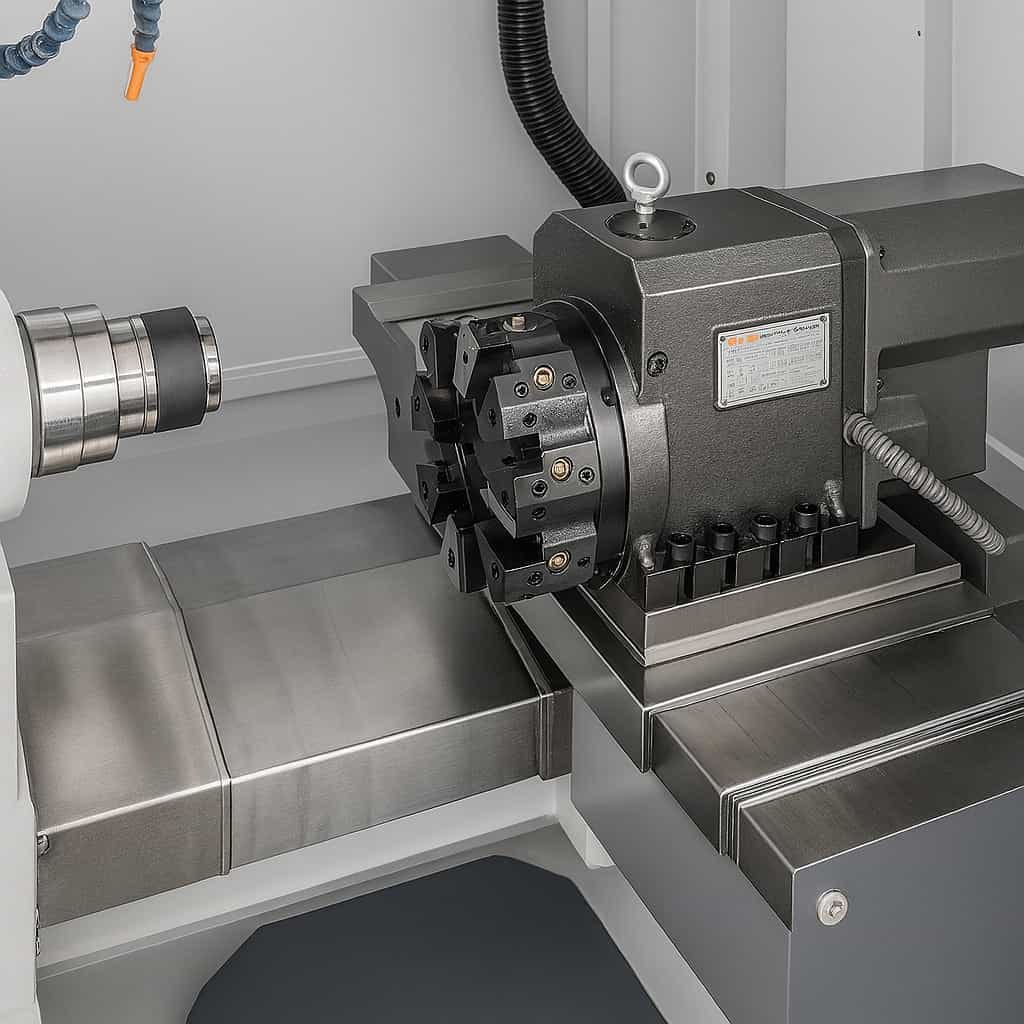
A Swiss CNC lathe is a precision machining tool designed for producing intricate parts with high accuracy. It operates by feeding the workpiece through a guide bushing, allowing the cutting tool to work close to the material’s support point, reducing deflection and improving precision.
Key Features of a Swiss CNC Lathe:
- Guide Bushing: Provides support to the workpiece, minimizing deflection.
- Multiple Axes: Often includes multiple axes (up to 12 or more), enhancing machining complexity.
- High Precision: Capable of producing parts with extremely tight tolerances.
- Automated Operation: Typically equipped with CNC (Computer Numerical Control) for automated and repeatable processes.
- Multi-Tool Capability: Allows for simultaneous operations, increasing efficiency.
Applications:
- Medical Devices: Ideal for producing small, intricate medical components.
- Aerospace: Used for manufacturing high-precision aerospace components.
- Electronics: Suitable for small, complex electronic parts.
Swiss CNC lathes excel in producing small, complex parts with high precision, making them essential in industries requiring meticulous accuracy.
What is the difference between a Swiss lathe and a normal lathe?
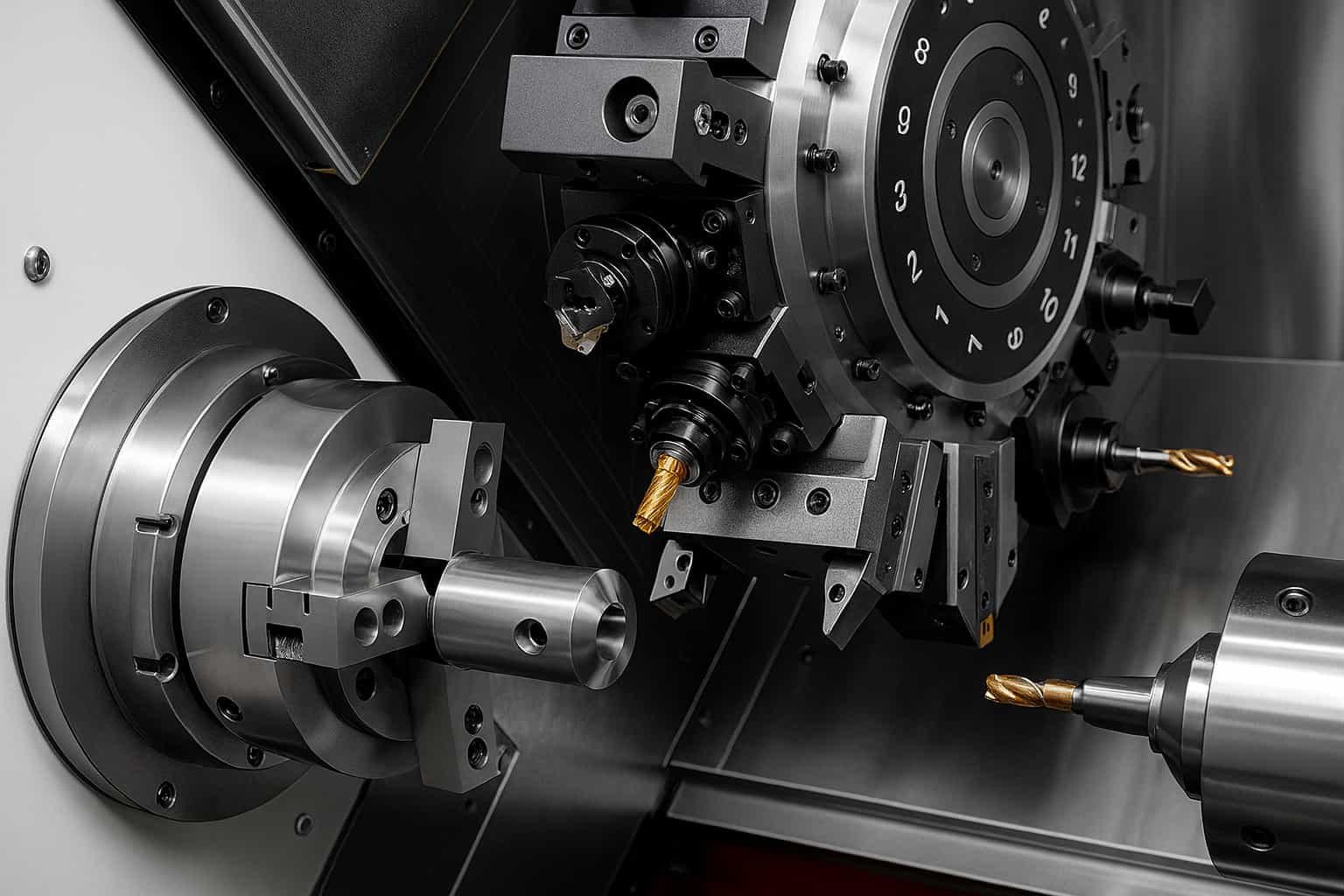
A Swiss lathe, also known as a Swiss-type lathe, is designed for high-precision, small-diameter parts with high length-to-diameter ratios. A normal lathe, or conventional lathe, is more versatile and used for larger, less precise parts.
Key Differences:
- Workpiece Support:
- Swiss Lathe: Uses a guide bushing for better support, reducing deflection.
- Normal Lathe: Workpiece is held by a chuck or collet, with less support for long, thin parts.
- Tool Movement:
- Swiss Lathe: The tool moves simultaneously with the workpiece, allowing continuous cutting.
- Normal Lathe: The tool moves independently, suitable for a wider range of operations.
- Applications:
- Swiss Lathe: Ideal for medical, aerospace, and electronic components.
- Normal Lathe: Common in automotive, heavy machinery, and general manufacturing.
Summary:
Swiss lathes provide higher precision and support for small, complex parts, while normal lathes offer versatility for a broader range of larger components.
What is a CNC Swiss Lathe Operator?
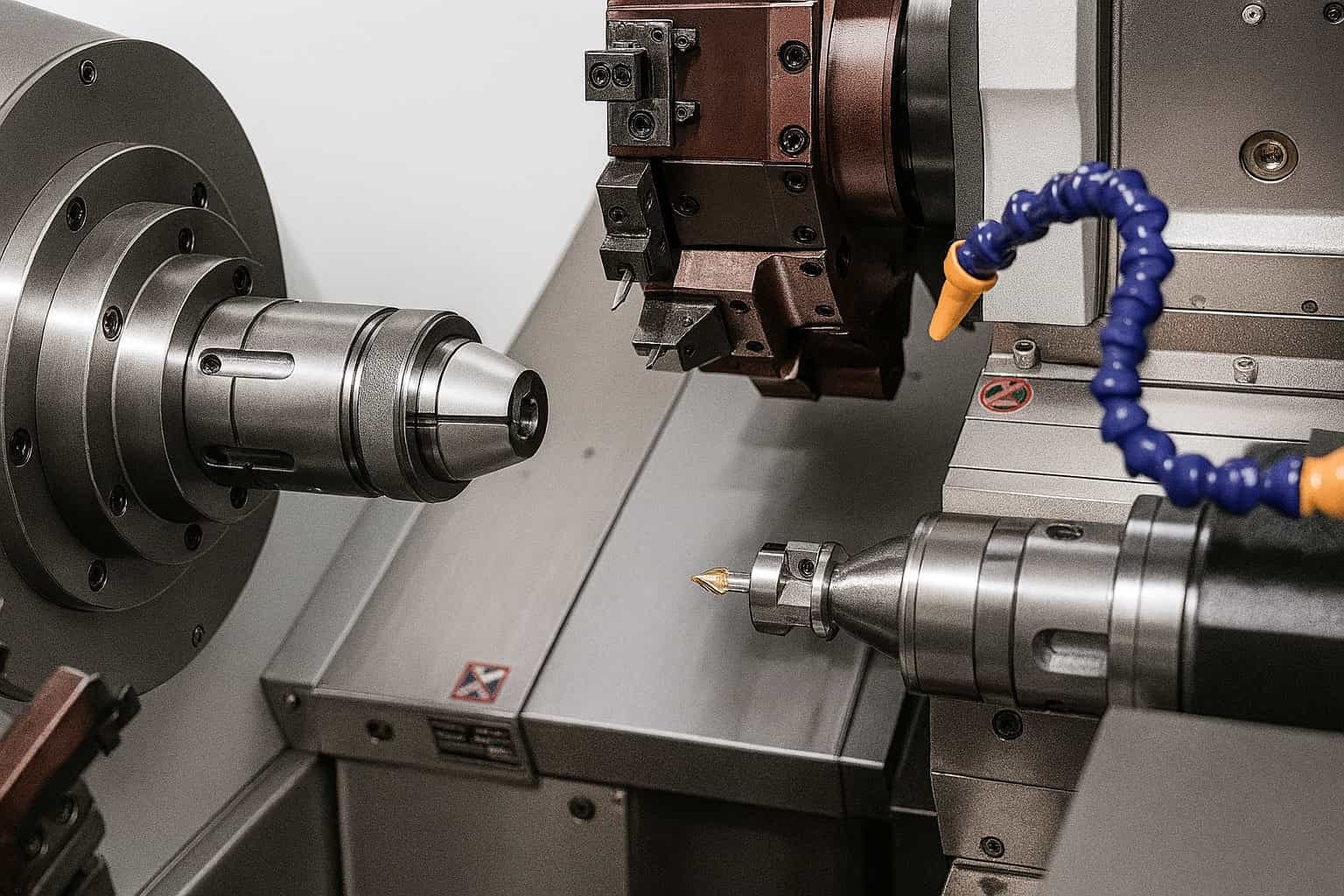
A CNC Swiss Lathe Operator is a skilled technician responsible for operating and maintaining CNC Swiss lathes, which are precision machines used for manufacturing small, intricate parts. They ensure the machine runs efficiently, producing high-quality components.
Key Responsibilities:
- Machine Setup: Prepare and set up the CNC Swiss lathe according to specifications.
- Programming: Input and adjust CNC programs to meet production requirements.
- Quality Control: Monitor the manufacturing process to ensure parts meet quality standards.
- Maintenance: Perform routine maintenance and troubleshoot any machine issues.
Skills Required:
- Technical Proficiency: Understanding of CNC machine operations and programming.
- Attention to Detail: Ability to produce precise parts with tight tolerances.
- Problem-Solving: Quickly diagnose and resolve operational issues.
Benefits:
- Precision Manufacturing: Ideal for producing complex, small-scale components.
- Efficiency: Provides high-speed, accurate production capabilities.
In summary, a CNC Swiss Lathe Operator plays a crucial role in precision manufacturing, ensuring the efficient operation of CNC Swiss lathes to produce high-quality parts.
How Much Is a Swiss Lathe CNC?
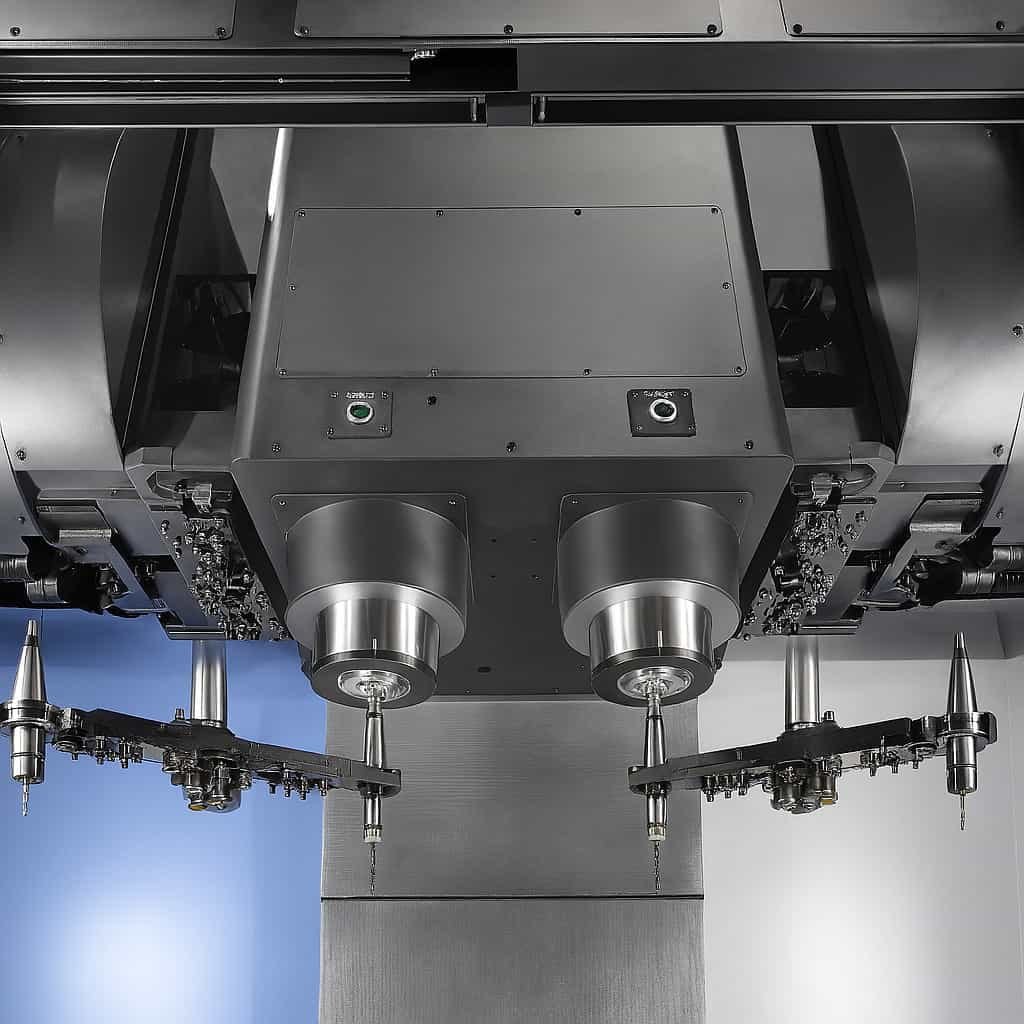
A Swiss lathe CNC machine typically costs between $150,000 to $500,000, depending on the brand, model, and features. High-end models with advanced capabilities can exceed this range.
Factors Influencing the Cost:
- Brand and Model: Renowned brands and newer models usually cost more.
- Features: Advanced functionalities like multi-axis control or automated tooling increase price.
- Precision and Tolerance: Machines with higher precision and tighter tolerances are more expensive.
- Production Volume: Machines designed for high-volume production generally have higher costs.
Additional Costs:
- Installation: Professional setup can add to initial costs.
- Maintenance: Regular upkeep is necessary for optimal performance.
- Training: Operator training may be required, adding to expenses.
Conclusion:
Investing in a Swiss lathe CNC machine involves significant upfront and ongoing costs, but the precision and efficiency benefits can justify the investment.