
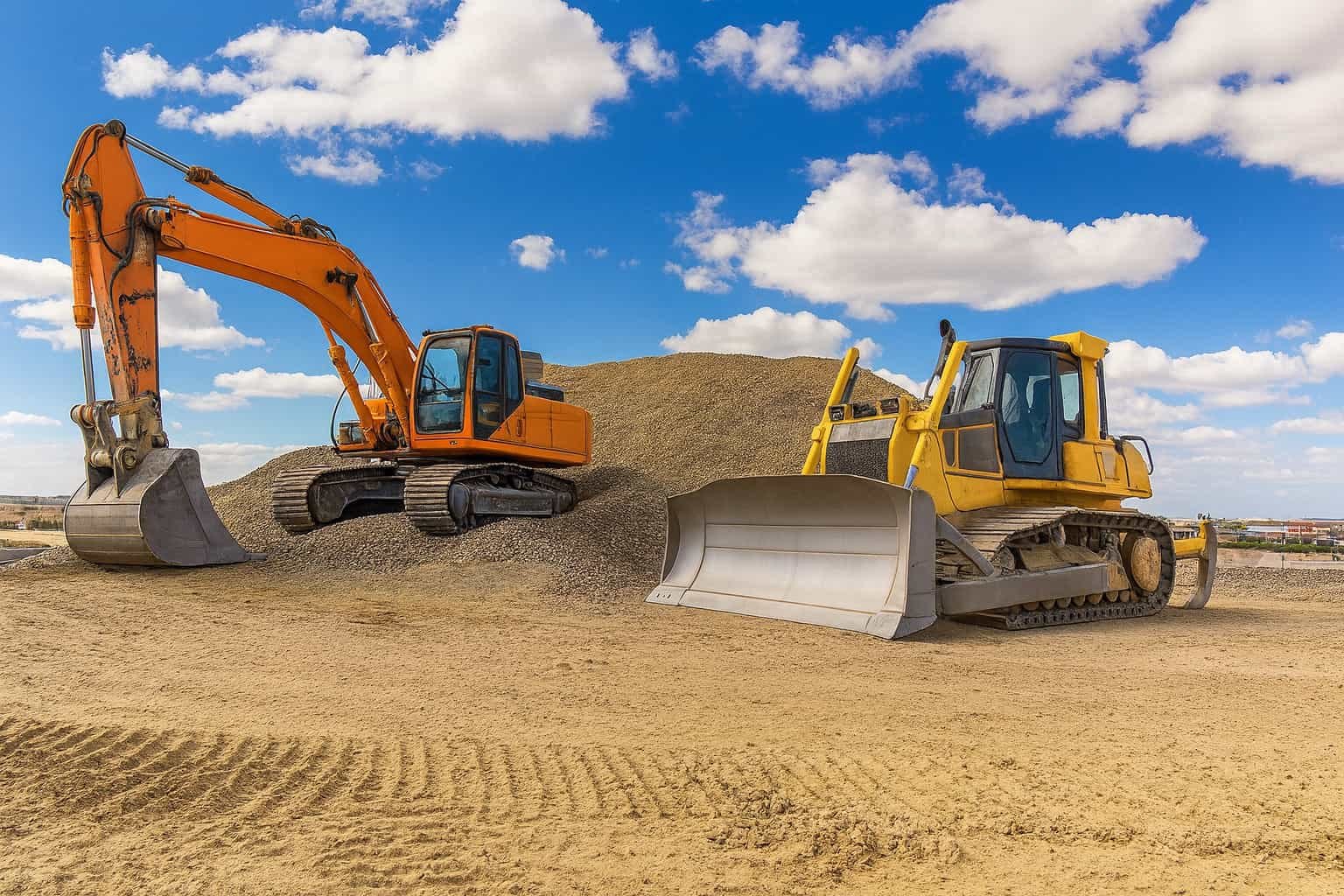
What is a Backhoe?
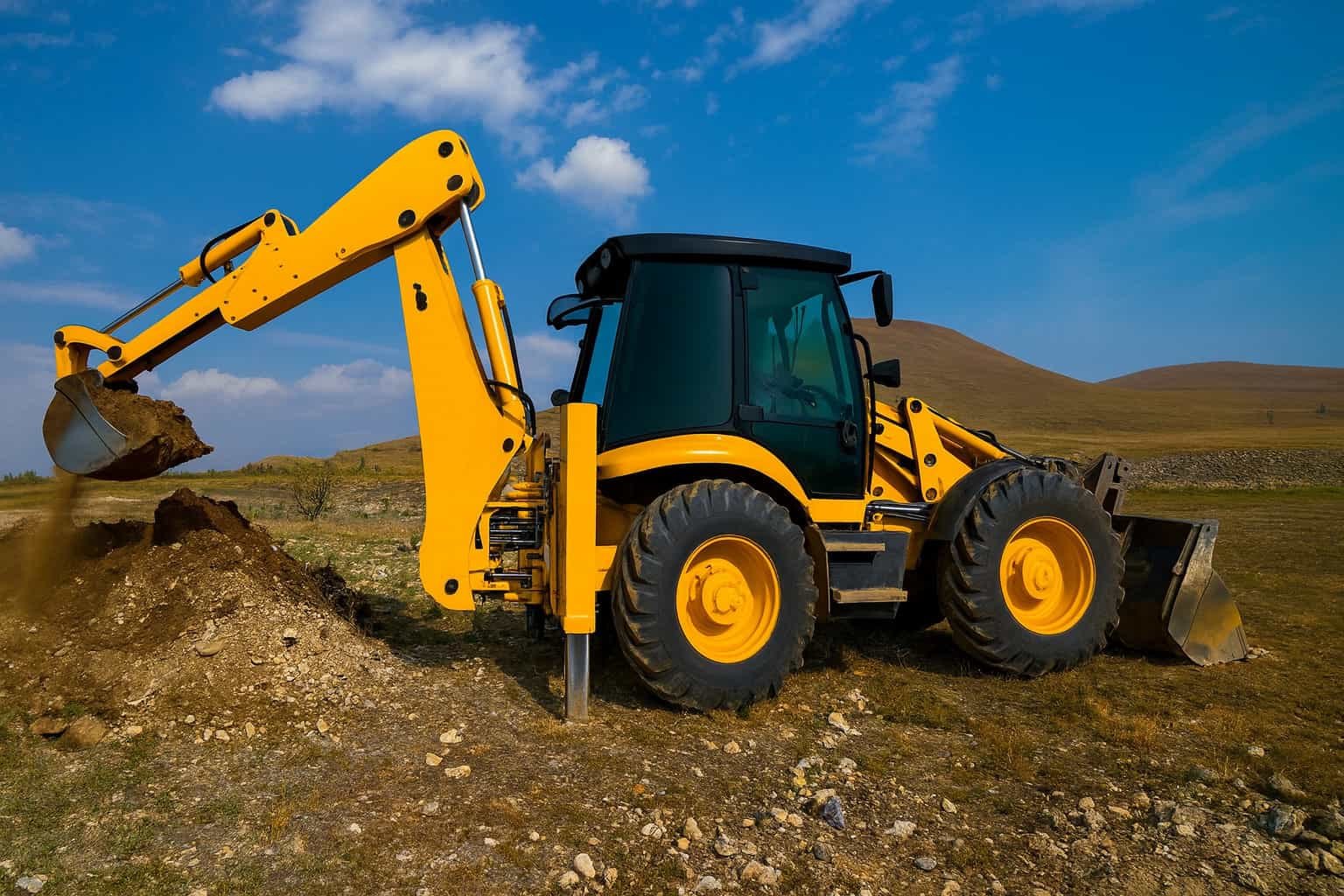
A backhoe is a versatile construction machine with a digging bucket on the end of a two-part articulated arm. It is primarily used for digging and excavation tasks in various construction projects.
Key Features of a Backhoe
- Two-Part Arm: The arm consists of a boom and a dipper, allowing for extended reach and flexibility.
- Digging Bucket: The bucket is used for digging trenches, holes, and foundations.
- Loader Attachment: Often, a backhoe has a loader on the front for moving materials.
Common Uses
- Excavation: Digging foundations, trenches, and holes.
- Material Handling: Moving soil, gravel, and debris.
- Demolition: Breaking up asphalt or concrete.
Operational Principles
- Hydraulic System: Powers the movement of the arm and bucket.
- Articulated Arm: Provides a wide range of motion and precision.
Backhoes are essential for efficient and effective construction and excavation work, combining multiple functionalities into one machine.
Where is a backhoe used?
A backhoe is predominantly used in construction, agriculture, and landscaping. It excels at tasks such as digging trenches, laying pipes, planting trees, and moving heavy materials.
Common Uses of a Backhoe
- Construction Sites:
- Digging foundations
- Excavating basements
- Demolishing structures
- Agricultural Fields:
- Digging irrigation ditches
- Planting large plants or trees
- Moving soil and debris
- Landscaping Projects:
- Shaping terrain
- Removing stumps and rocks
- Installing outdoor features
Technical Features
- Boom: The long arm used for digging and reaching.
- Bucket: The attachment for scooping and moving materials.
- Stabilizers: Legs that extend to stabilize the machine during operation.
A backhoe combines the capabilities of an excavator and a loader, making it versatile for various tasks.
What is the difference between a backhoe and an excavator?
A backhoe and an excavator are both heavy machinery used in construction, but they differ mainly in design and functionality. A backhoe has a dual-purpose arm with a bucket on one end and a loader on the other, making it versatile for small to medium projects. An excavator, on the other hand, has a single, larger arm with a bucket, designed primarily for digging and heavy lifting.
Key Differences:
- Design:
- Backhoe: Features a two-part arm; one side for digging (backhoe) and the other for loading (loader).
- Excavator: Has a single, larger arm and is usually mounted on tracks.
- Functionality:
- Backhoe: Versatile; used for digging, loading, and light demolition.
- Excavator: Specialized for heavy digging and lifting tasks.
- Mobility:
- Backhoe: Often mounted on wheels, making it suitable for urban and smaller job sites.
- Excavator: Typically mounted on tracks, providing stability on uneven terrain.
Understanding these differences helps in selecting the right machine for your specific construction needs.
What’s the Difference Between a Backhoe and a Front Loader?
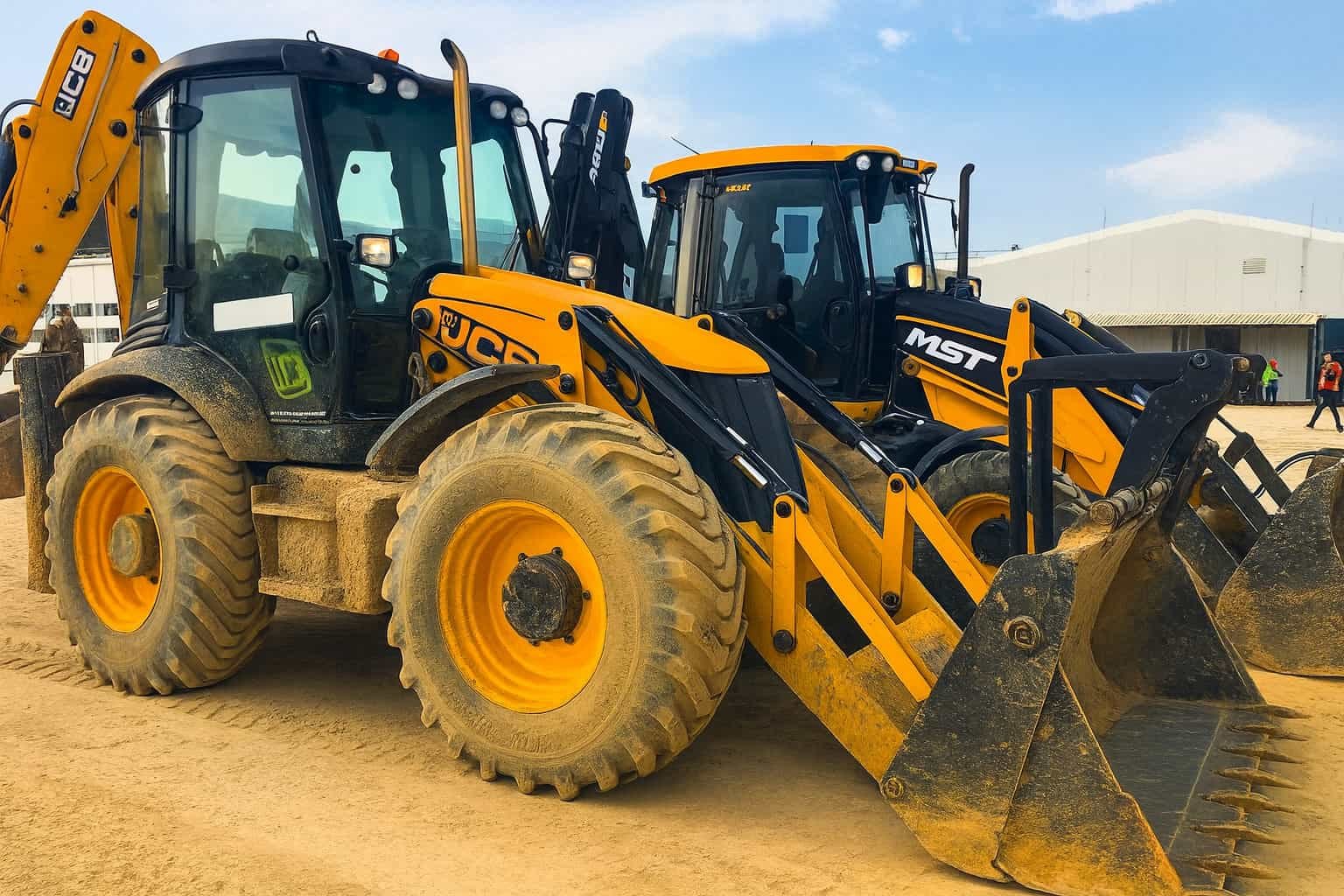
A backhoe and a front loader are distinct types of heavy machinery used in construction, each with specific functions. A backhoe features a digging bucket on the rear and a loading bucket on the front, making it versatile for digging and loading. In contrast, a front loader has a large bucket at the front, primarily used for loading and moving materials.
Key Differences:
- Primary Function:
- Backhoe: Digging and loading.
- Front Loader: Loading and moving materials.
- Design:
- Backhoe: Two-part arm with a digging bucket at the rear.
- Front Loader: Single large bucket at the front.
- Versatility:
- Backhoe: Can perform multiple tasks due to its dual buckets.
- Front Loader: Specialized mainly for material handling.
- Mobility:
- Backhoe: Often fitted with wheels or tracks, offering moderate mobility.
- Front Loader: Typically wheel-mounted for better maneuverability.
In summary, while both machines are crucial in construction, their design and primary functions set them apart.
What is the difference between a backhoe and a JCB?
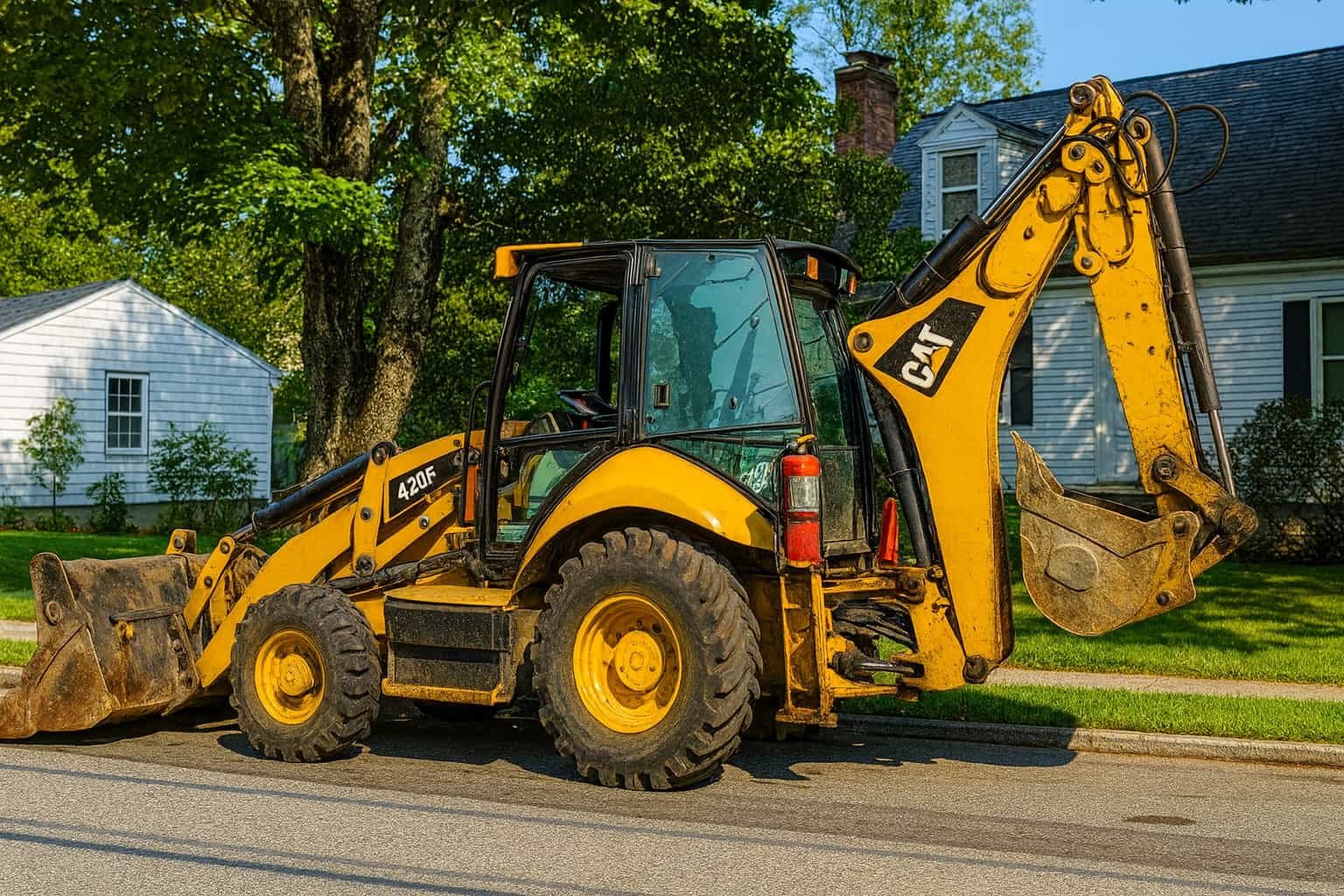
A backhoe is a type of heavy machinery used for digging and excavation, characterized by its rear-mounted digging bucket. JCB, on the other hand, is a brand name that manufactures various types of construction equipment, including backhoes.
Key Differences:
- Definition:
- Backhoe: A common piece of construction equipment with a digging bucket at the rear and a loader at the front.
- JCB: A brand that produces a wide range of construction machinery, including backhoes.
- Usage:
- Backhoe: Specifically used for digging, trenching, and material handling.
- JCB: Offers multiple machinery types such as excavators, loaders, and more, in addition to backhoes.
- Brand vs. Type:
- Backhoe: A general term for a specific type of machinery.
- JCB: A specific company known for manufacturing high-quality construction equipment.
In summary, while a backhoe is a type of construction equipment, JCB is a brand that produces various types of such equipment, including backhoes.
What are the advantages of a backhoe?
A backhoe offers versatility, efficiency, and power for various construction and excavation tasks. Its dual functionality, compact size, and ability to perform multiple tasks make it an invaluable piece of equipment on job sites.
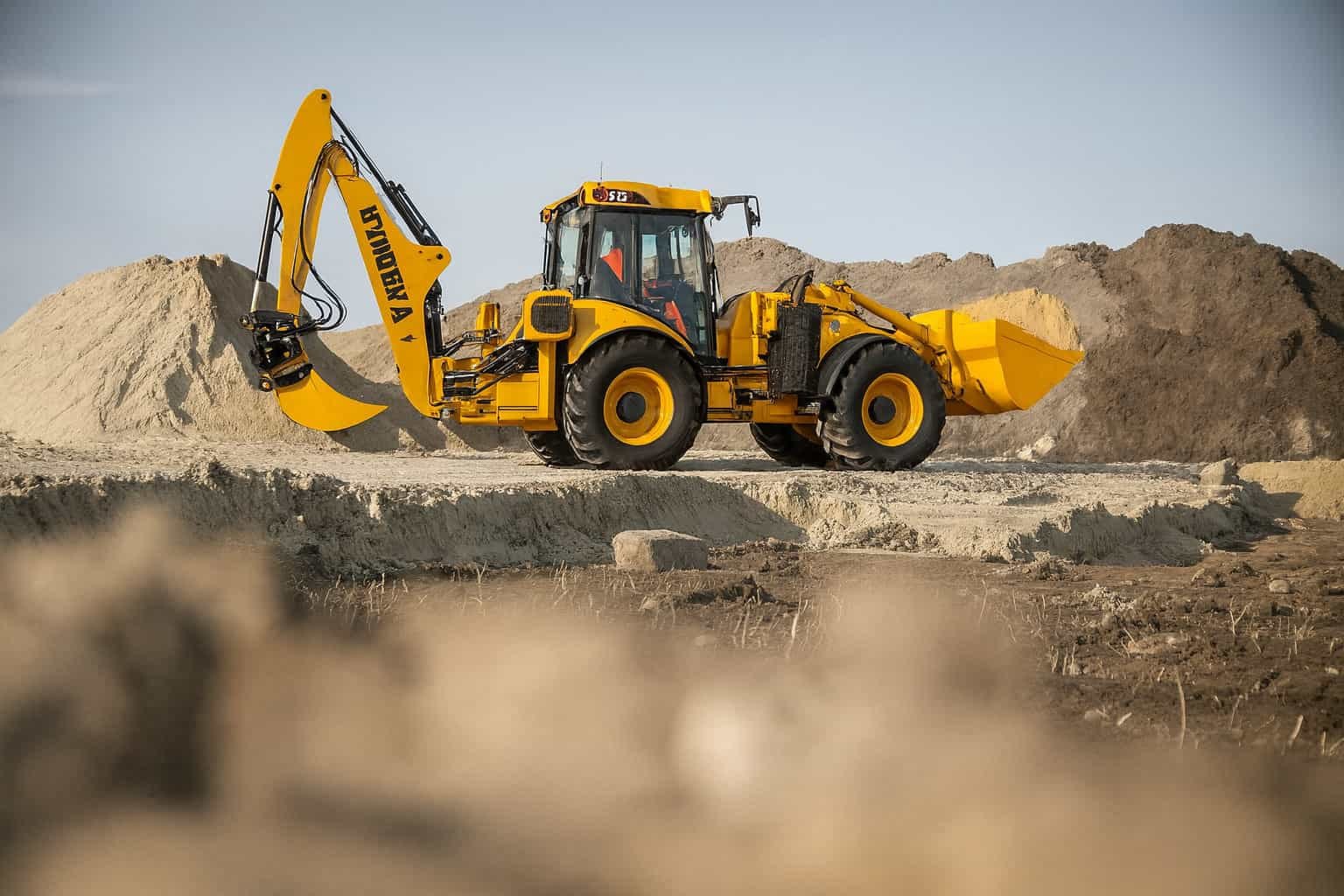
Key Advantages of a Backhoe:
- Versatility: Combines a front loader and a rear excavator, enabling it to perform multiple functions such as digging, loading, and material handling.
- Compact Size: Smaller footprint compared to other heavy machinery allows it to operate in confined spaces.
- Efficiency: Quick attachment changes and multi-functional capabilities reduce the need for multiple machines, saving time and costs.
- Power: Capable of handling tough terrains and heavy-duty tasks with ease due to robust engine performance.
- Mobility: Easy to transport between job sites, enhancing operational flexibility.
Backhoes are essential for tasks like trenching, landscaping, demolition, and roadwork, making them a critical asset in construction and agricultural industries.