
What is a CNC Turning Machine?
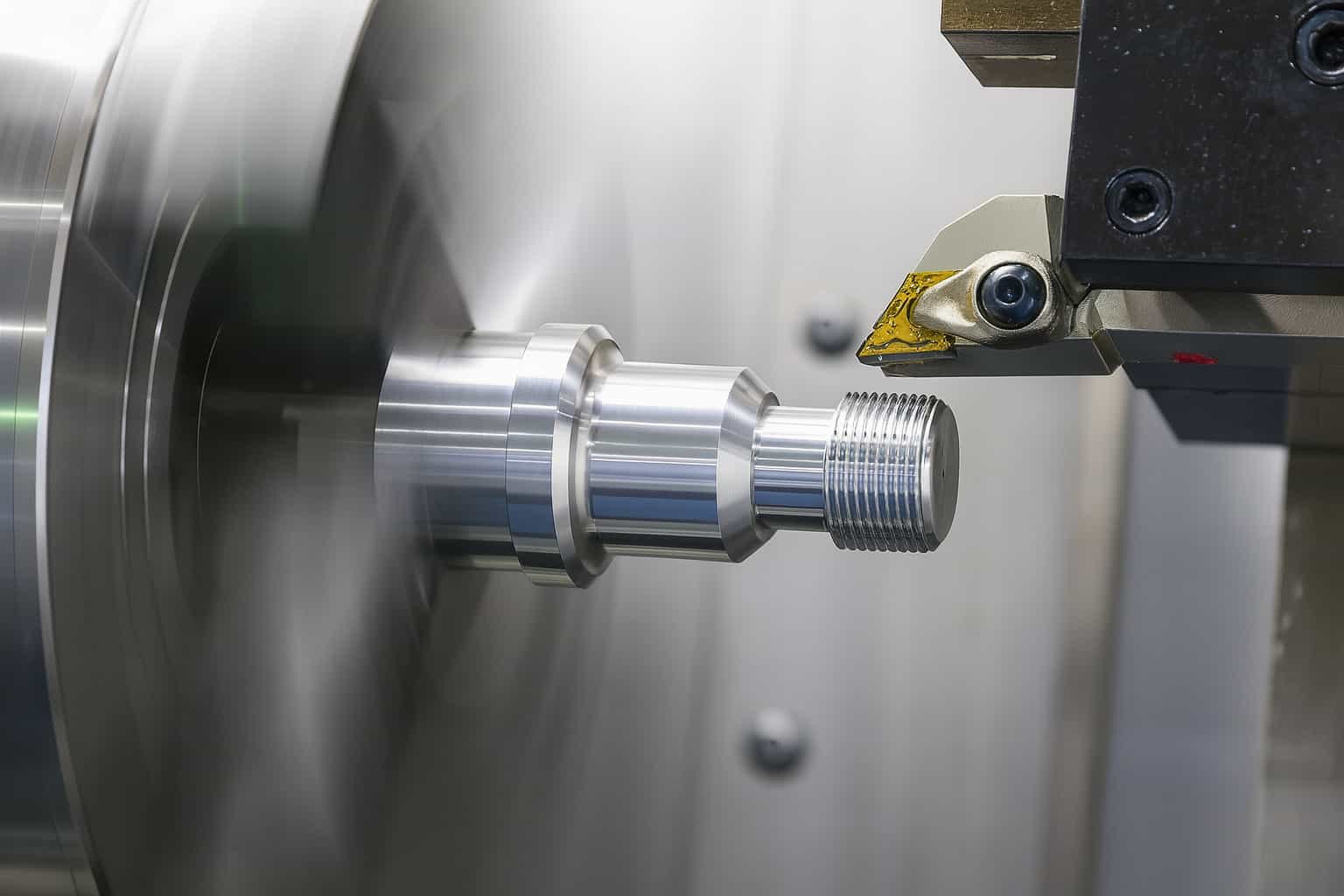
A CNC turning machine, or Computer Numerical Control turning machine, is a precision tool that rotates a workpiece on its axis to perform various machining operations. These operations include cutting, knurling, drilling, and facing to create cylindrical parts.
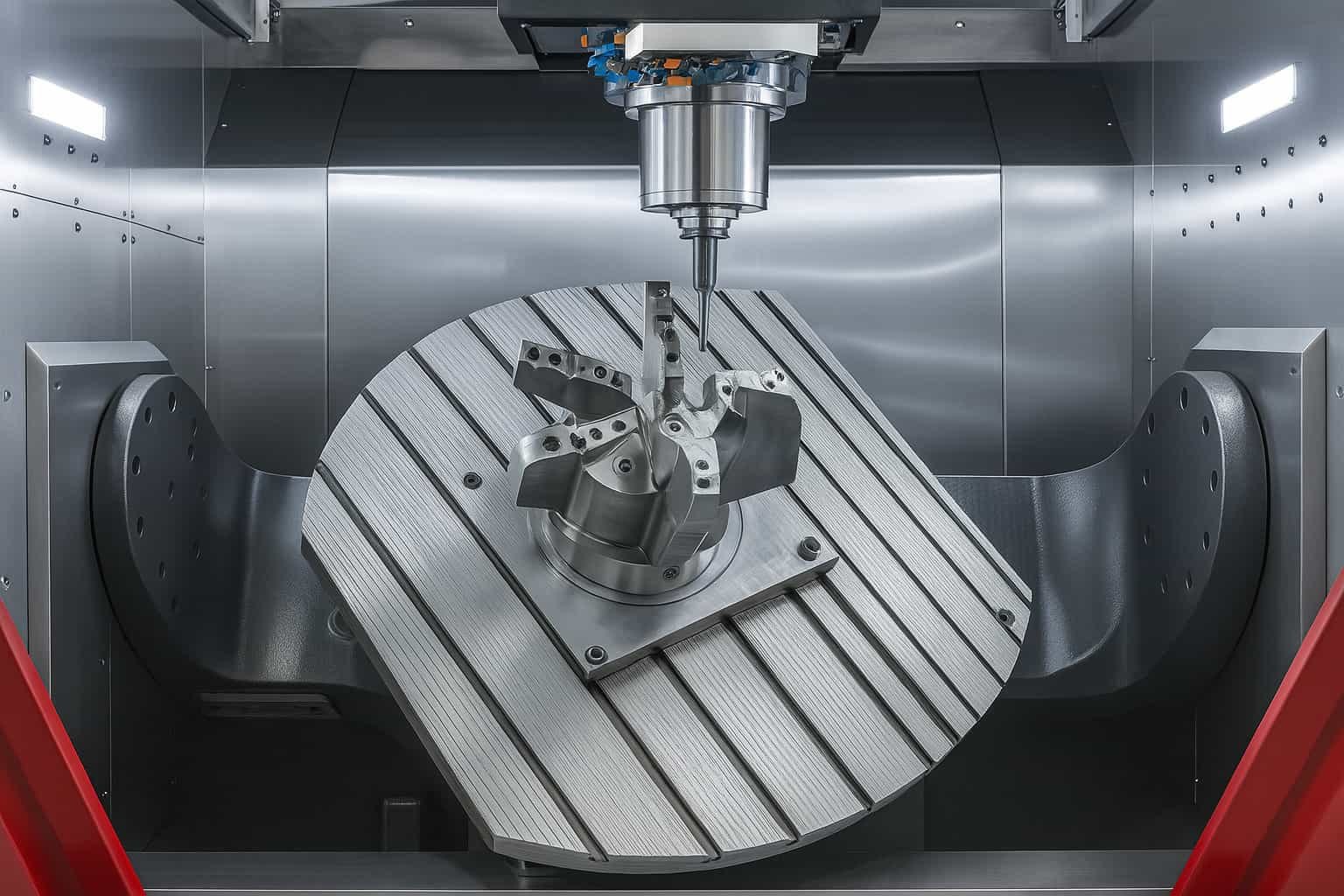
Key Components and Operations:
- Spindle: Holds and rotates the workpiece.
- Tool Turret: Houses multiple tools for different machining tasks.
- Control Panel: Interfaces with software to input machining instructions.
- Bed: Provides structural support and alignment for the machine.
How It Works:
- Programming: A CNC program is created using G-code.
- Setup: The workpiece is secured in the spindle.
- Machining: The spindle rotates the workpiece while the turret moves tools along specified paths.
- Finishing: The machine executes precision cuts to achieve the desired shape and dimensions.
CNC turning machines are essential in manufacturing for producing high-precision, cylindrical components efficiently.
How to Learn CNC Turning Machine?
To learn CNC turning machine, start with understanding its basic components and functions, then move on to practical training and software simulation. Enroll in courses, watch tutorials, and practice consistently.
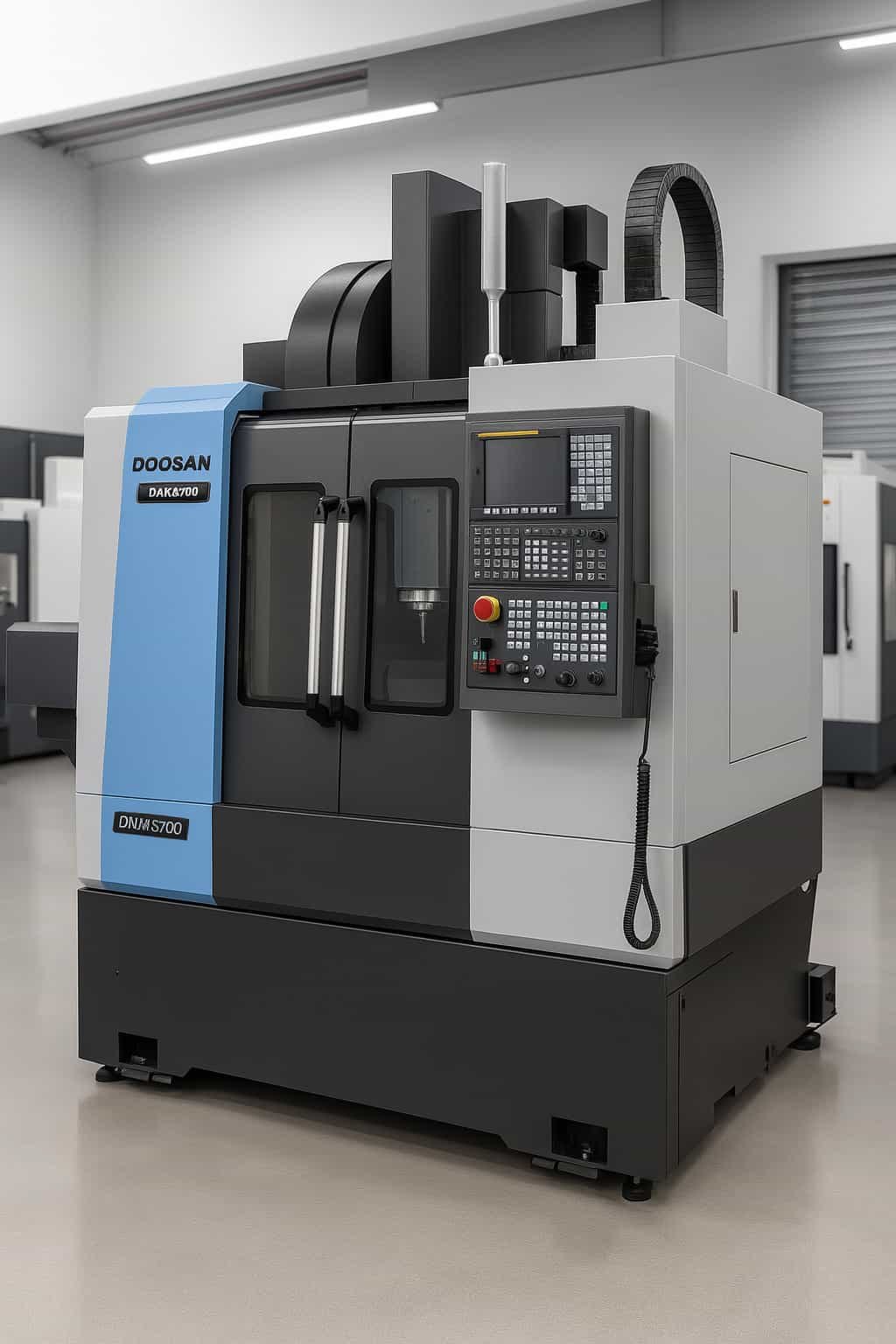
Key Steps to Learn CNC Turning Machine:
- Understand Basics:
- Study machine parts: spindle, chuck, turret.
- Learn common terms: G-code, M-code, feed rate.
- Formal Training:
- Take online courses or attend technical schools.
- Obtain certifications if possible.
- Software Simulation:
- Use CNC simulation software to understand programming.
- Practice creating and modifying CNC programs.
- Hands-on Practice:
- Operate real machines under supervision.
- Start with simple projects, gradually increase complexity.
- Continuous Learning:
- Stay updated on new technologies and methods.
- Join CNC forums and communities for tips and troubleshooting.
By following these steps, you can effectively learn and master CNC turning machine operations.
What is the difference between CNC lathe and CNC turning center?
A CNC lathe primarily performs turning operations, where the workpiece rotates while the cutting tool remains stationary. A CNC turning center offers additional capabilities such as milling, drilling, and tapping, along with more advanced automation.
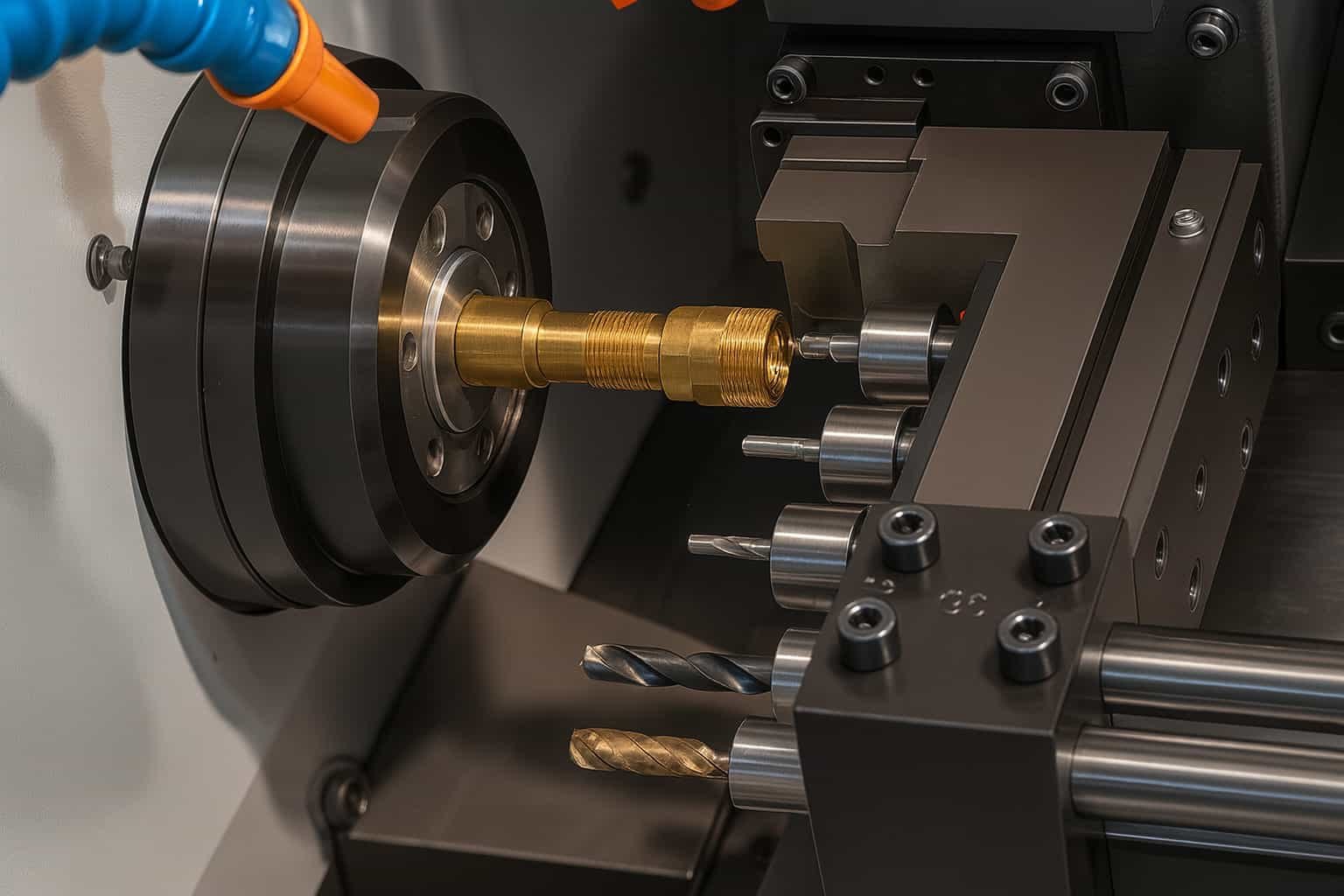
Key Differences:
- Functionality:
- CNC Lathe: Specializes in turning operations.
- CNC Turning Center: Performs turning plus additional operations like milling and drilling.
- Complexity:
- CNC Lathe: Simpler, focuses on rotating workpieces.
- CNC Turning Center: More complex, integrates multiple machining processes.
- Automation:
- CNC Lathe: Limited automation.
- CNC Turning Center: High level of automation, often featuring tool changers and sub-spindles.
Summary:
CNC lathes are ideal for simpler, turning-focused tasks, while CNC turning centers are versatile machines capable of handling more complex, multi-operation projects.
How to Choose a CNC Lathe?
When choosing a CNC lathe, consider factors such as machine size, control system, spindle speed, and precision to ensure it meets your specific manufacturing needs.
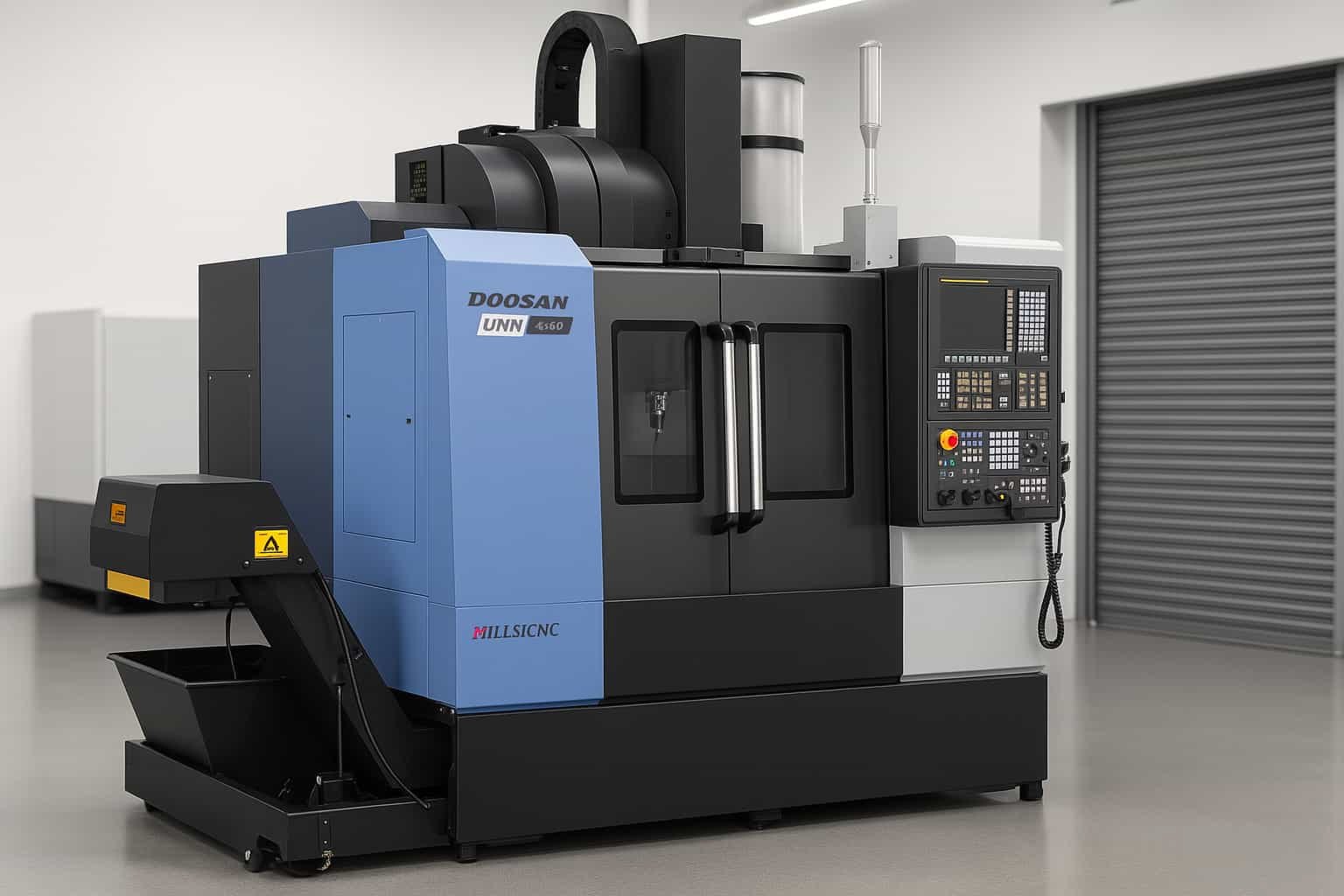
Key Factors to Consider:
- Machine Size and Capacity: Ensure the lathe can handle the dimensions of your workpieces.
- Control System: Opt for a user-friendly and reliable control system compatible with your operational requirements.
- Spindle Speed and Power: Match the spindle speed and power to the materials you will be machining.
- Precision and Accuracy: Check the lathe’s tolerance levels to meet your precision requirements.
- Tooling and Accessories: Consider the availability and compatibility of essential tooling.
Steps for Evaluation:
- Define Your Requirements: List the specifications and features crucial for your projects.
- Research and Compare Models: Examine different brands and models to find the best fit.
- Consult with Experts: Seek advice from industry professionals or peers.
- Test and Inspect Machines: If possible, visit showrooms or factories to see the machines in operation.
- Assess Long-term Support: Ensure the manufacturer offers robust after-sales support and training.
By methodically evaluating these elements, you can select a CNC lathe that enhances your productivity and meets your manufacturing needs effectively.
Why is CNC so popular?
CNC (Computer Numerical Control) is popular due to its precision, efficiency, and automation capabilities. It allows for high levels of accuracy in manufacturing, reduces human error, and increases production speed.
Key Advantages of CNC
- Precision: CNC machines can produce parts with tight tolerances and consistent quality.
- Efficiency: Automated processes reduce production time and labor costs.
- Versatility: Capable of manufacturing complex designs from various materials.
- Consistency: Ensures uniformity in large-scale production runs.
- Flexibility: Easily reprogrammed for different tasks, making it ideal for prototyping and production.
How CNC Works
- Design Input: CAD software is used to create a detailed design.
- Programming: CAM software converts the design into G-code.
- Machining: The CNC machine reads the G-code and executes the operations on the material.
CNC’s ability to combine precision, speed, and flexibility makes it indispensable in modern manufacturing, contributing to its widespread popularity.
