
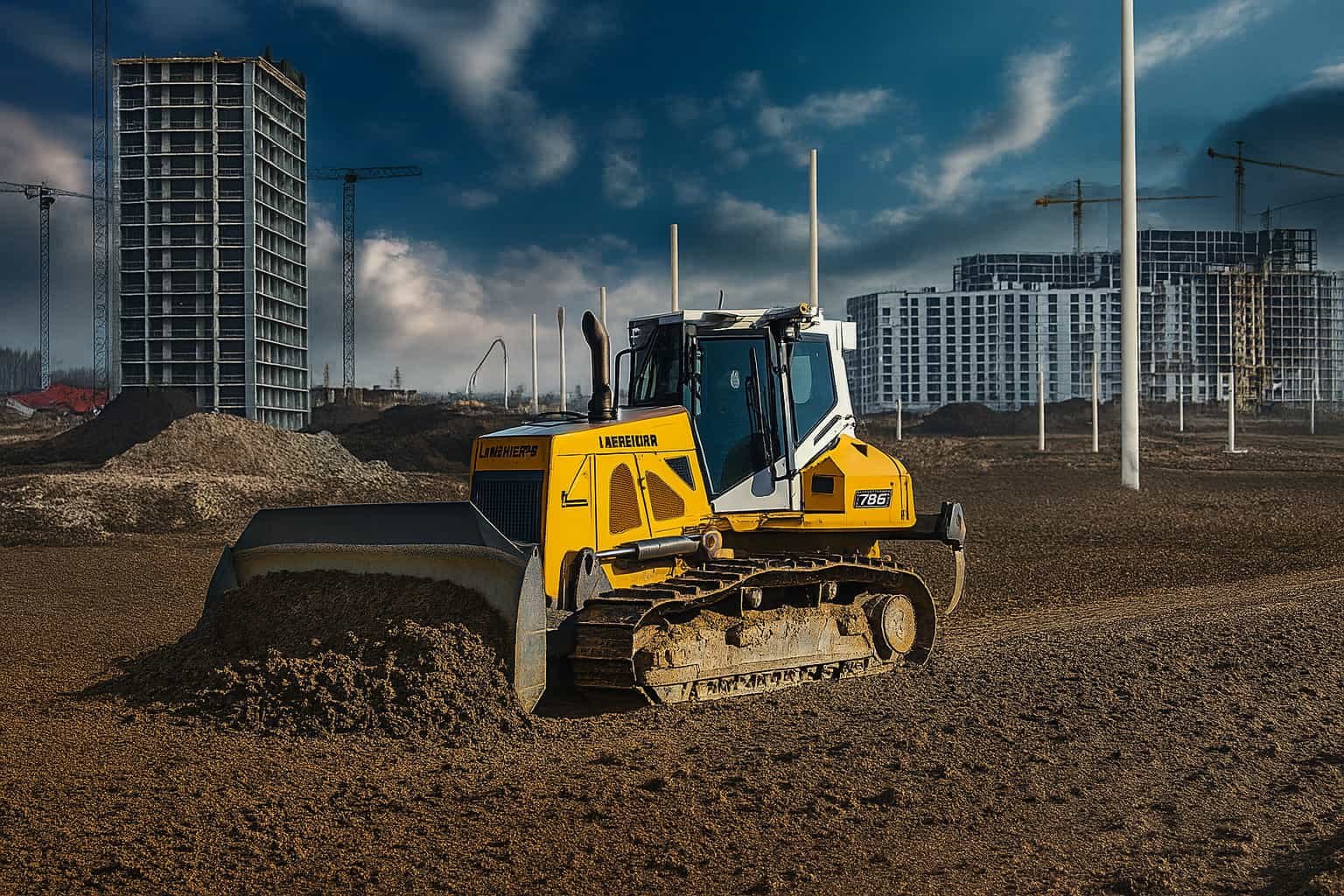
What is a Crawler Tractor?
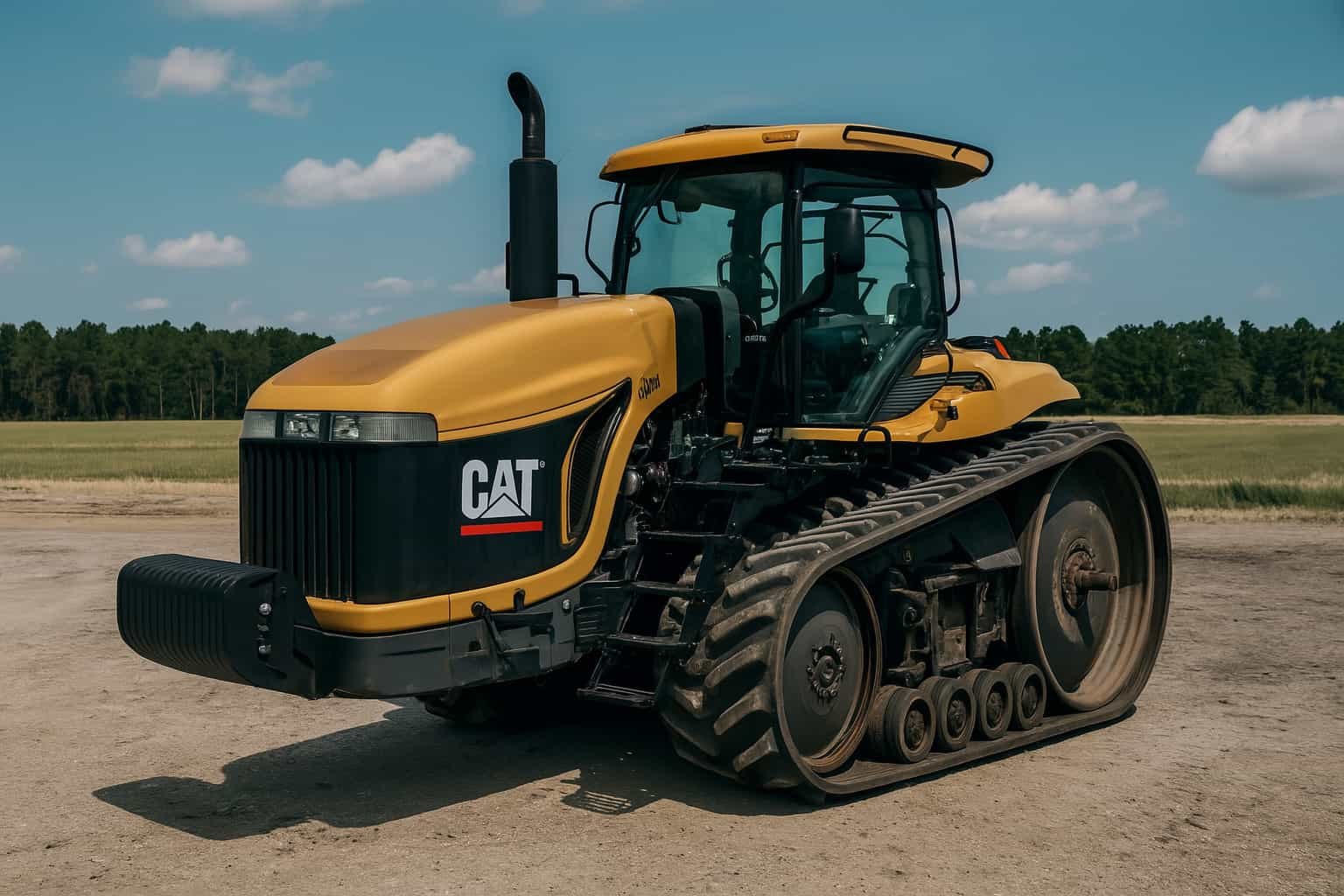
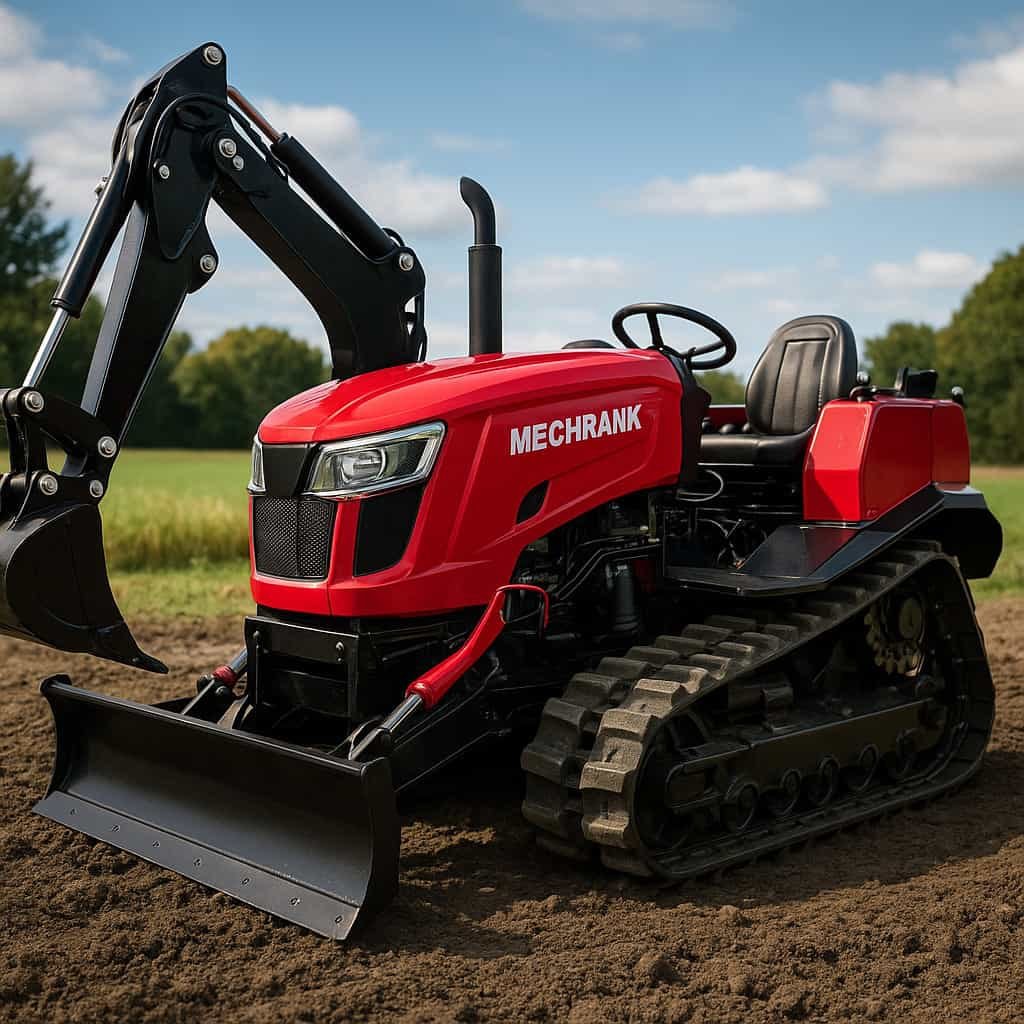
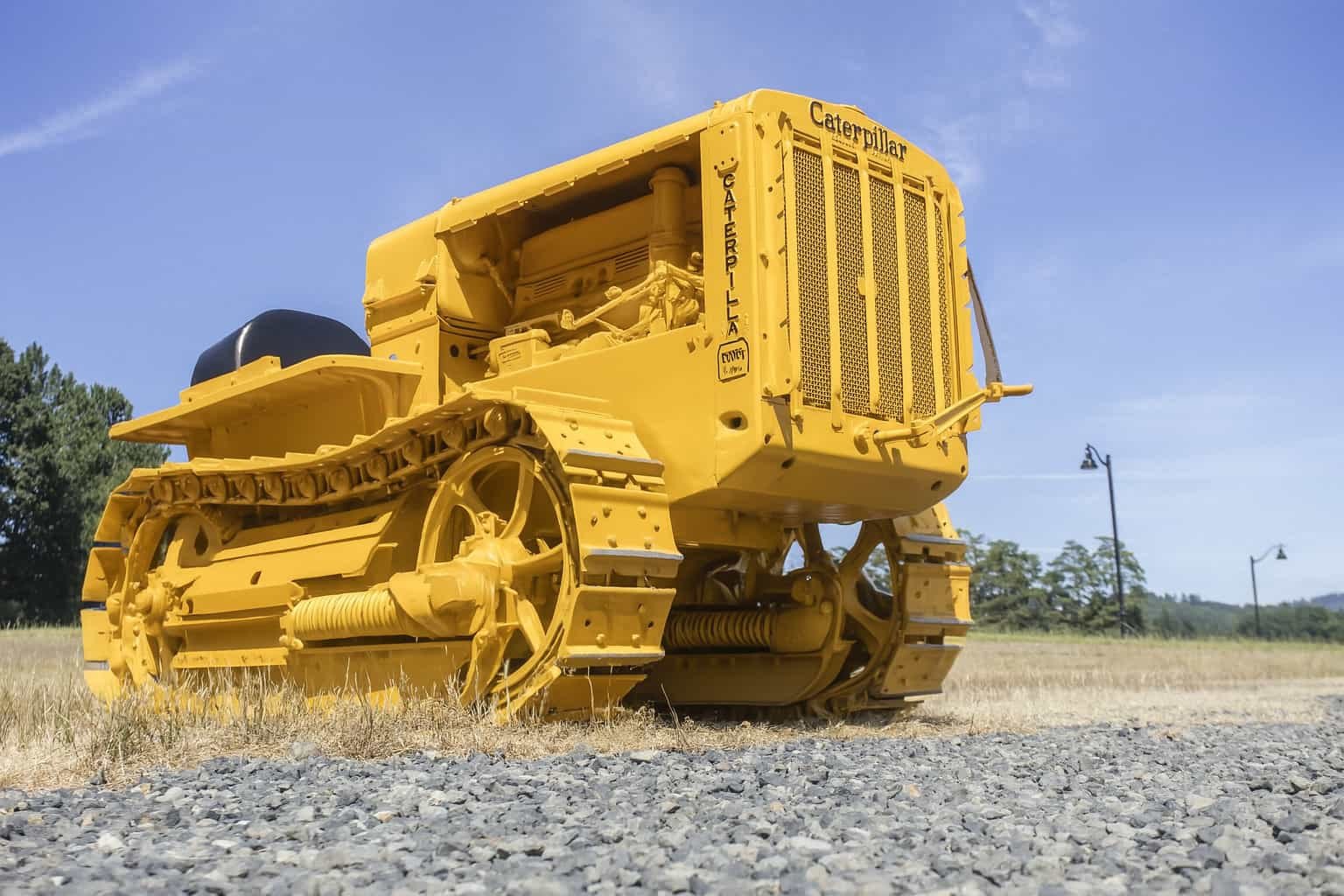
A crawler tractor is a type of heavy-duty vehicle equipped with continuous tracks instead of wheels, designed for tough terrains and heavy loads. It is commonly used in agriculture, construction, and mining industries.
Key Features of Crawler Tractor
- Continuous Tracks: Provides better stability and traction on uneven or soft surfaces.
- Heavy Load Capacity: Suited for transporting hefty materials and equipment.
- Versatility: Can be equipped with various attachments like blades, rippers, and winches.
Applications
- Agriculture: Used for plowing, tilling, and other field preparations.
- Construction: Ideal for site preparation, earthmoving, and grading tasks.
- Mining: Utilized for excavation, transport of materials, and site clearing.
Crawler tractors are integral for operations requiring robust performance and reliability on challenging terrains.
What is the Difference Between a Bulldozer and a Crawler Tractor?
A bulldozer is a heavy-duty machine with a large metal plate (blade) used for pushing large quantities of soil, sand, rubble, or other materials. A crawler tractor, on the other hand, is a type of tractor that moves on tracks instead of wheels, providing enhanced stability and traction.
Key Differences:
- Primary Function:
- Bulldozer: Primarily used for pushing and moving materials.
- Crawler Tractor: Used for pulling heavy loads and providing power for various attachments.
- Design:
- Bulldozer: Features a large, flat blade at the front.
- Crawler Tractor: May have different attachments but lacks the distinctive dozer blade.
- Mobility:
- Bulldozer: Designed for short-distance heavy pushing tasks.
- Crawler Tractor: Suitable for maneuvering over rough terrain and pulling tasks.
- Versatility:
- Bulldozer: Primarily used in construction and demolition.
- Crawler Tractor: Used in agriculture, forestry, and construction.
Understanding these differences can help in selecting the appropriate machinery for specific tasks.
What are the benefits of a crawler tractor?
Crawler tractors offer exceptional stability, traction, and versatility, making them ideal for challenging terrains and heavy-duty tasks. They ensure efficient operation in construction, agriculture, and forestry.
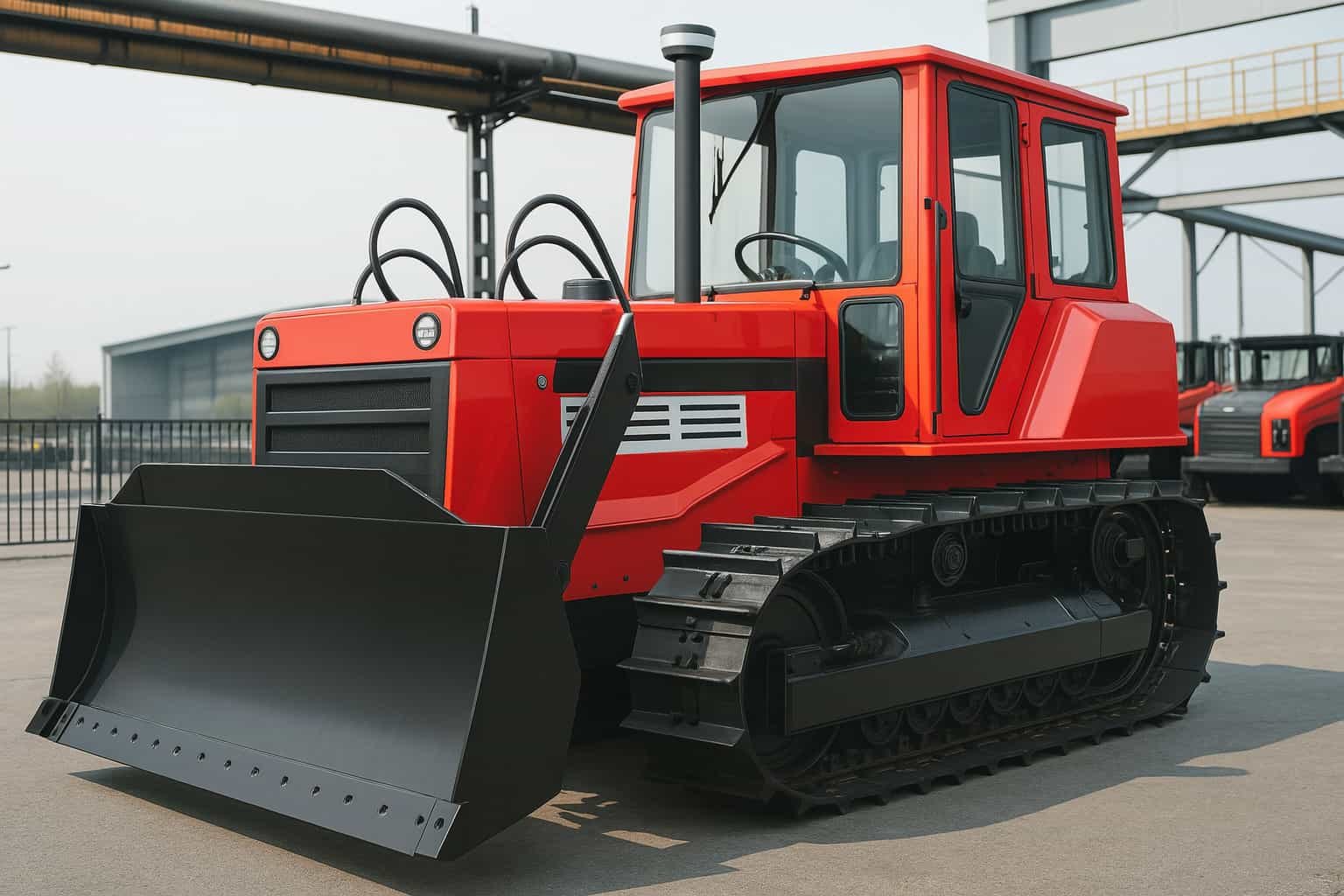
Key Benefits:
- Enhanced Traction: Crawler tractors distribute weight over a larger area, reducing ground pressure and improving grip on soft or uneven surfaces.
- Stability: The wide tracks provide better stability, minimizing the risk of tipping over, especially on slopes.
- Durability: Built to withstand harsh conditions, crawler tractors have robust construction and components, ensuring longevity.
- Versatility: Suitable for various attachments, they can perform multiple tasks, from plowing to excavation.
- Reduced Soil Compaction: The tracks spread the machine’s weight more evenly, reducing soil compaction and preserving soil health in agricultural applications.
By leveraging these advantages, crawler tractors enhance productivity and safety in demanding environments.
What is the purpose of a crawler crane?
A crawler crane is primarily used for lifting and moving heavy loads on construction sites. Its tracked undercarriage provides stability and mobility over rough terrain, making it ideal for large-scale construction projects.
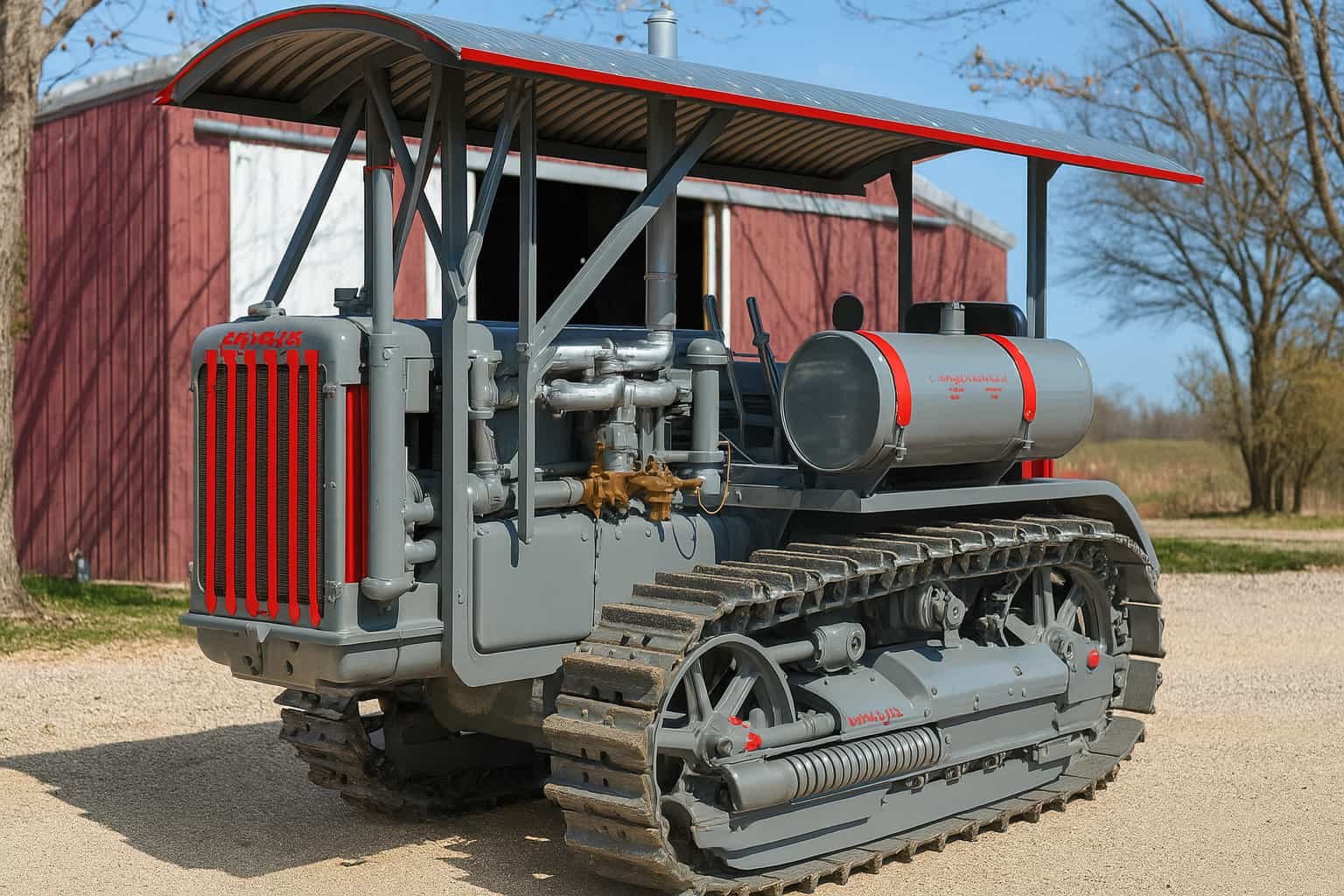
Key Functions of a Crawler Crane:
- Heavy Lifting: Capable of lifting substantial weights, often ranging from several tons to hundreds of tons.
- Mobility: The tracks allow the crane to move around the site without the need for additional transport equipment.
- Stability: The wide, tracked base offers stability on uneven ground, reducing the risk of tipping.
Common Applications:
- Building Construction: Erecting steel frameworks and placing large structural components.
- Infrastructure Projects: Lifting materials for bridges, roads, and tunnels.
- Industrial Use: Handling heavy machinery and components in manufacturing plants.
Crawler cranes are indispensable for tasks requiring both high lifting capacity and mobility, particularly in challenging environments.
Why is a crawler crane more stable?
A crawler crane is more stable due to its wide, continuous tracks that distribute weight evenly over a larger surface area, providing enhanced stability on various terrains. This design minimizes ground pressure and ensures better load distribution.
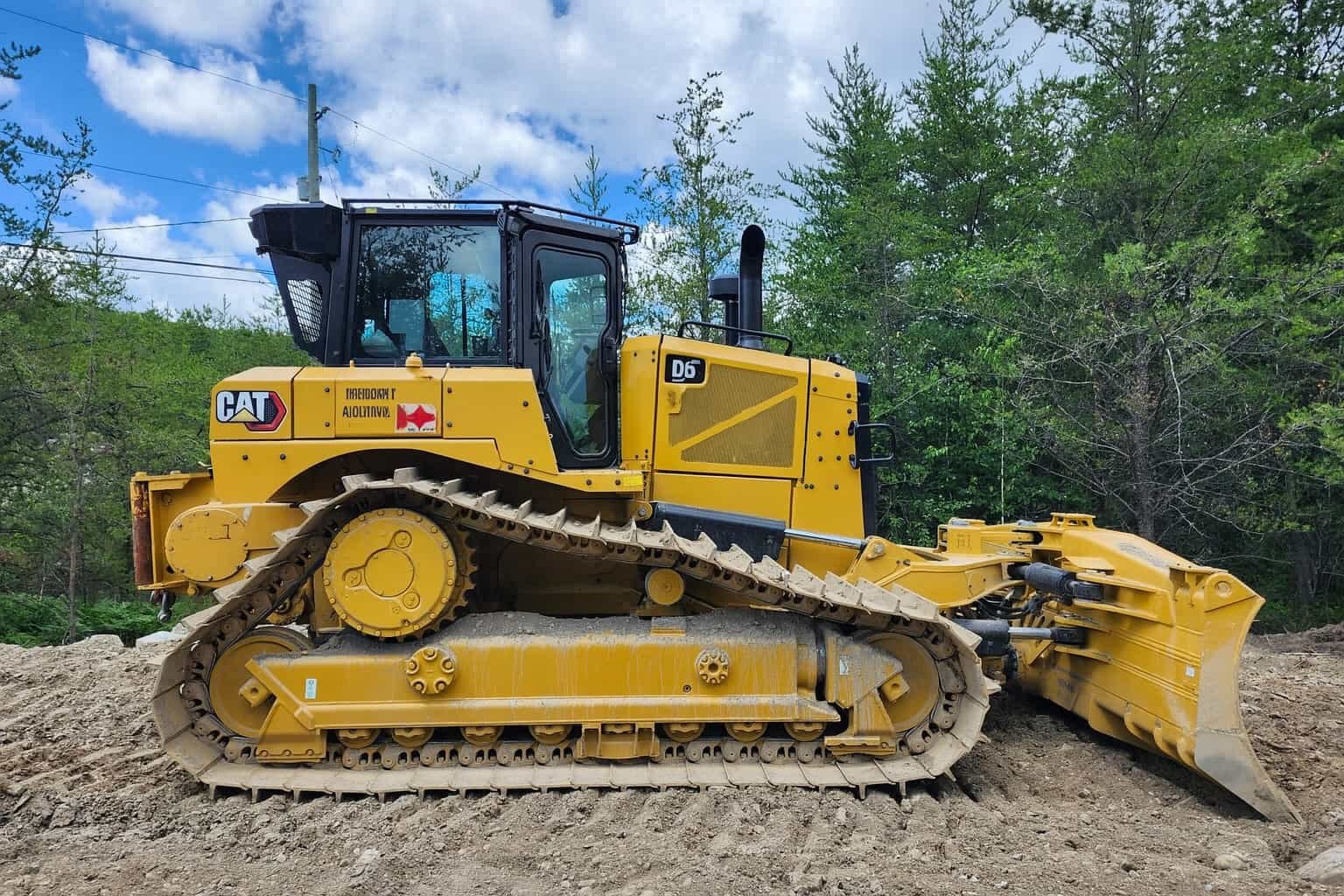
Key Stability Features of Crawler Cranes:
- Wide Tracks: The tracks extend the contact area with the ground, reducing surface pressure and enhancing stability.
- Lower Center of Gravity: The crane’s design ensures that its center of gravity remains low, minimizing the risk of tipping.
- Even Weight Distribution: The continuous tracks spread the crane’s weight evenly across the surface, avoiding concentrated pressure points.
- Adaptability: Crawler cranes can operate on uneven and soft ground where wheeled cranes might struggle.
These structural and design advantages make crawler cranes highly stable and versatile for various heavy lifting tasks in construction and other industries.
How does a crawler crane rotate?
A crawler crane rotates using a combination of its slewing unit and hydraulic motors, allowing the upper structure to pivot around its base.
Key Components Involved in Rotation
- Slewing Unit: This is the primary mechanism that allows the crane’s upper structure to rotate. It consists of a large bearing and gear system mounted on the crane’s base.
- Hydraulic Motors: These motors supply the necessary power to rotate the slewing unit. They are controlled by the operator from the crane’s cab.
- Control System: The operator uses controls to manage the hydraulic motors, which in turn, drive the slewing unit for precise rotation.
How It Works
- Initiation: The operator engages the control system to activate the hydraulic motors.
- Power Transmission: Hydraulic motors generate torque, driving the slewing gear.
- Rotation: The slewing unit rotates the upper structure around the stationary base, allowing the crane to move its boom to the desired position.
This combination of mechanical and hydraulic components ensures smooth and precise rotation, essential for efficient crane operation.
What is the Maximum Wind Speed for a Crawler Crane?
The maximum wind speed for operating a crawler crane is generally around 20 to 25 mph (32 to 40 km/h). Beyond this range, it becomes unsafe to continue operations due to stability risks.
Key Considerations:
- Manufacturer Guidelines: Always refer to the specific crane’s operating manual for exact limits.
- Weather Monitoring: Utilize real-time weather monitoring systems to track wind speed.
- Safety Protocols: Implement standard safety protocols to halt operations if wind speeds exceed safe limits.
- Load Impact: The wind speed limit may decrease depending on the load being lifted and crane configuration.
Why Wind Speed Matters:
- Stability: High winds can destabilize the crane, leading to accidents.
- Load Control: Wind can affect the control and positioning of heavy loads, increasing the risk of mishandling.
- Structural Integrity: Excessive wind pressure can cause structural damage to the crane.
Wind Management Best Practices:
- Pre-Operation Checks: Conduct thorough inspections and risk assessments.
- Emergency Procedures: Have clear procedures for ceasing operations and securing the crane in high winds.
- Continuous Training: Ensure operators are trained to understand and react to wind-related hazards.
What is the Counterweight of a Crawler Crane?
The counterweight of a crawler crane is a crucial component that balances the crane’s load during lifting operations. It is typically a large mass, often made of steel or concrete, placed at the rear end of the crane.
Key Functions:
- Stabilization: Prevents the crane from tipping over by balancing the load.
- Load Management: Allows the crane to lift heavier loads by distributing weight efficiently.
- Operational Safety: Enhances overall safety by ensuring the crane remains stable during operations.
How It Works:
- Placement: Positioned at the back of the crane.
- Adjustment: Can be adjusted or added based on the load requirements.
- Material: Usually steel or concrete for maximum effectiveness.
By understanding the counterweight’s role, operators can ensure safer and more efficient lifting operations with crawler cranes.
