
What is a Gravity Die Casting?
Gravity die casting is a manufacturing process where molten metal is poured into a reusable die or mold using gravity, without external pressure. This method is commonly used to produce high-quality metal parts with excellent surface finishes and dimensional accuracy.
Key Characteristics of Gravity Die Casting:
- Reusable Dies: Made from durable materials like steel, allowing multiple uses.
- Molten Metal: Poured manually or via automated systems.
- Gravity-Based: Relies solely on gravitational force to fill the mold.
- Applications: Widely used in automotive, aerospace, and appliance industries.
Process Steps:
- Preparation: Preheat the die to a specific temperature.
- Pouring: Introduce molten metal into the die.
- Cooling: Allow the metal to solidify within the die.
- Ejection: Remove the solidified part from the mold.
Gravity die casting is favored for its efficiency, repeatability, and ability to produce complex shapes with high precision.
What is the difference between gravity die casting and low pressure die casting?
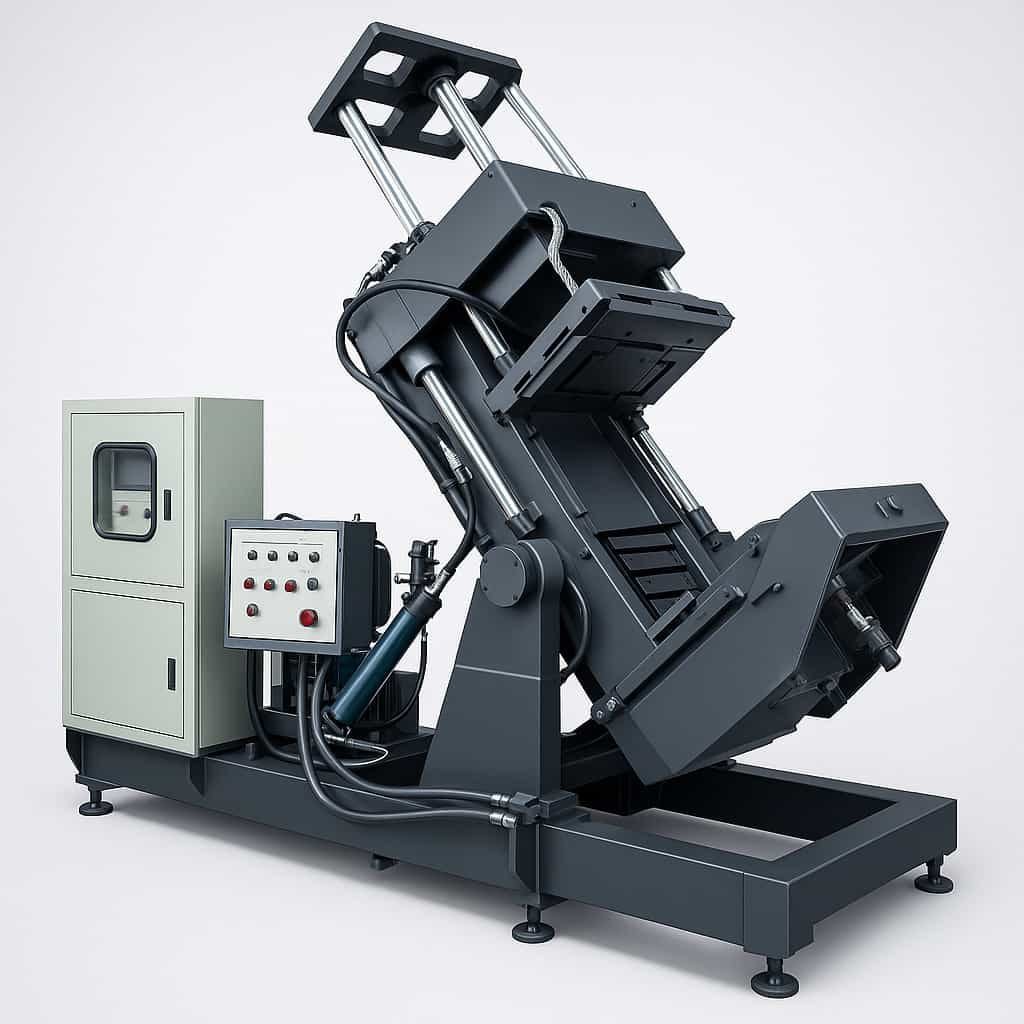
Gravity die casting relies on gravity to fill the mold, while low pressure die casting uses controlled air pressure to push molten metal into the mold. Both methods involve pouring molten metal into a reusable die, but the filling mechanisms and applications differ.
Gravity Die Casting
- Mechanism: Utilizes gravity to fill the mold.
- Applications: Suitable for simple, large, and medium-sized parts.
- Advantages: Lower equipment costs, simpler process.
Low Pressure Die Casting
- Mechanism: Uses controlled air pressure (usually 0.3–1.5 bar) to fill the mold.
- Applications: Ideal for complex, high-quality parts.
- Advantages: Superior surface finish, better mechanical properties, minimal porosity.
In summary, gravity die casting is simpler and cost-effective for less complex parts, while low pressure die casting provides enhanced quality and precision for intricate designs.
What is the Difference Between Cast and Gravity Cast?
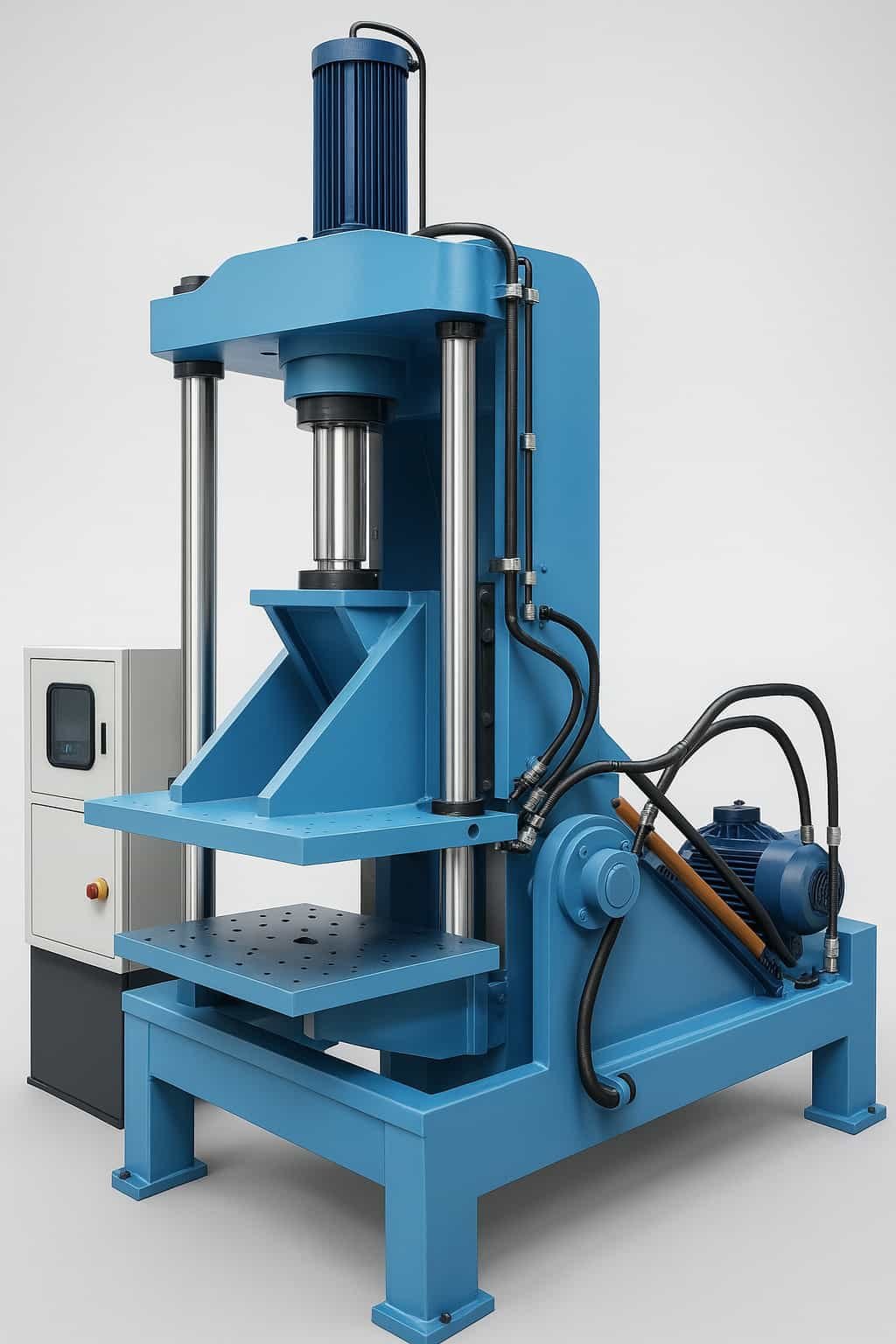
The primary difference between cast and gravity cast lies in the method of introducing molten metal into the mold. In standard casting, molten metal is poured into a mold using various techniques, while in gravity casting, the metal is poured into the mold solely by the force of gravity.
Key Differences
- Method of Pouring:
- Standard Casting: Utilizes various methods such as pouring, injection, or pressure to fill molds.
- Gravity Casting: Relies strictly on gravity to fill the mold, without mechanical assistance.
- Equipment:
- Standard Casting: Often requires complex machinery.
- Gravity Casting: Involves simpler equipment, reducing overall costs.
- Applications:
- Standard Casting: Suitable for high-volume and complex shapes.
- Gravity Casting: Ideal for simpler, low-volume production runs.
- Quality and Finish:
- Standard Casting: Can achieve high precision and smoother finishes.
- Gravity Casting: Generally produces parts with slightly lesser precision but is cost-effective.
In summary, the choice between these methods depends on the specific requirements of the production process, including volume, complexity, and cost constraints.
How to Avoid Shrinkage in Casting?
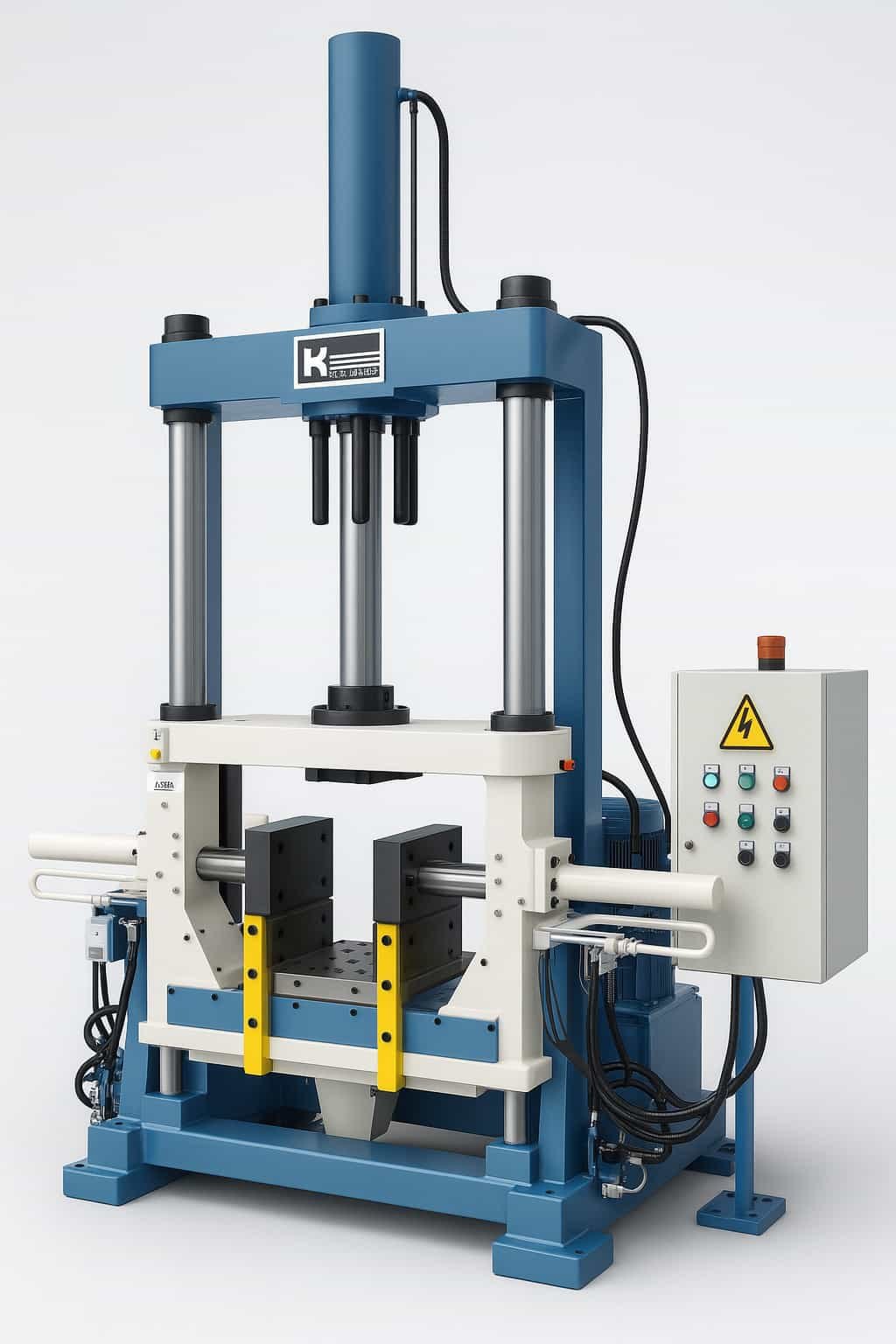
To avoid shrinkage in casting, ensure proper mold design, control cooling rates, and use appropriate alloy compositions. These measures help prevent voids and ensure uniform solidification.
Key Strategies to Prevent Shrinkage:
- Optimize Mold Design:
- Incorporate risers and feeders to compensate for material shrinkage.
- Ensure uniform wall thickness to avoid uneven cooling.
- Control Cooling Rates:
- Utilize chills to manage the cooling of thicker sections.
- Maintain a consistent cooling rate to reduce internal stresses.
- Select Suitable Alloys:
- Choose alloys with lower shrinkage properties.
- Adjust alloy composition to improve fluidity and solidification behavior.
- Use Simulation Software:
- Employ casting simulation tools to predict and mitigate potential shrinkage areas.
- Adjust design parameters based on simulation outcomes.
Implementing these strategies can significantly reduce the likelihood of shrinkage defects, thereby enhancing the quality and reliability of cast components.
How to Improve Casting Process?
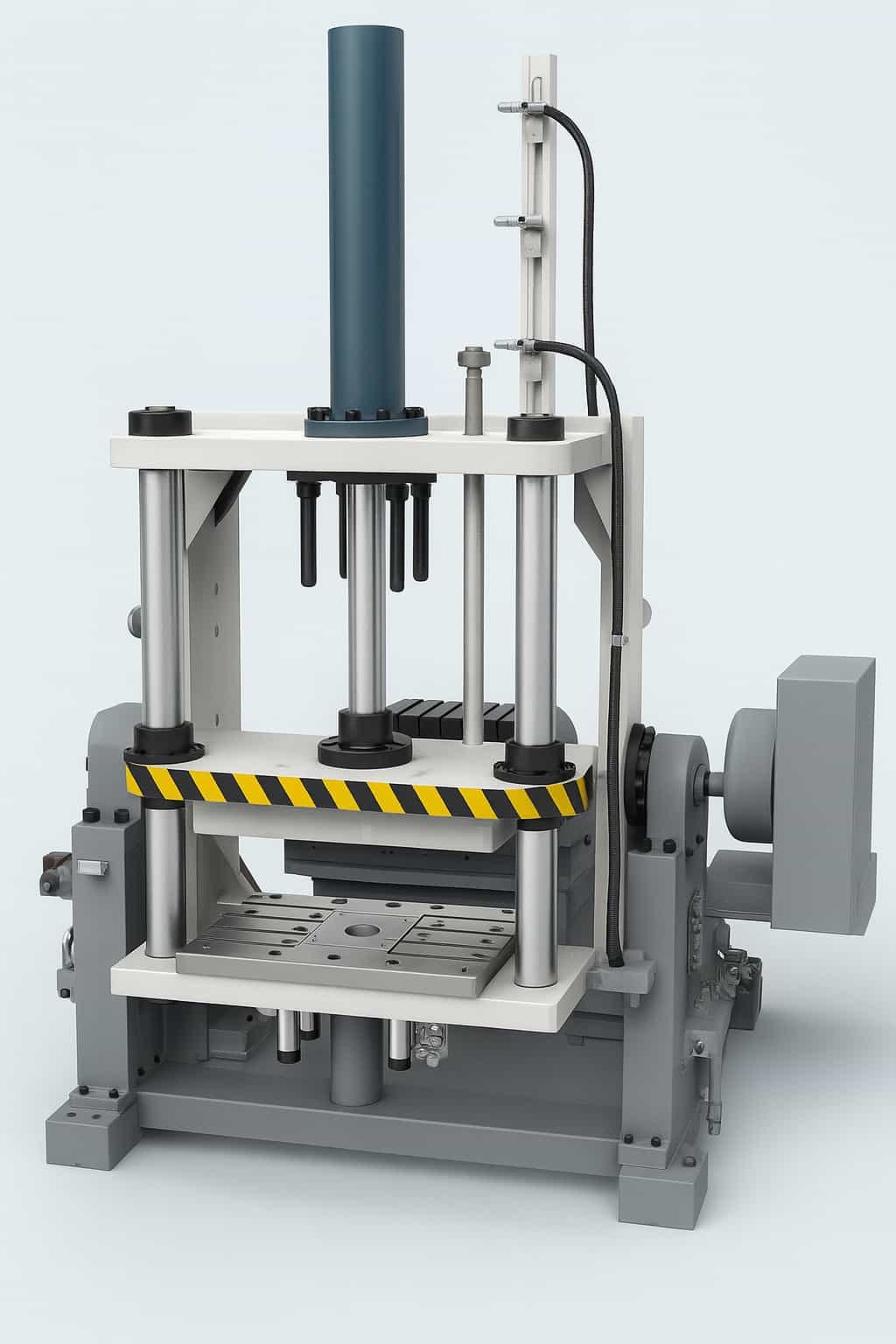
To improve the casting process, focus on optimizing mold design, ensuring high-quality materials, implementing precise temperature control, and utilizing advanced simulation software.
- Optimize Mold Design
- Ensure proper gating and riser placement.
- Use materials that minimize defects.
- Ensure High-Quality Materials
- Inspect raw materials for impurities.
- Use alloys suited for the specific casting requirements.
- Implement Precise Temperature Control
- Maintain consistent pouring temperatures.
- Use automated systems for temperature monitoring.
- Utilize Advanced Simulation Software
- Predict and rectify potential defects.
- Optimize the entire casting process before production.
By focusing on these key areas, the casting process can be significantly enhanced, leading to better quality outputs and reduced waste.
How to Check the Quality of Casting?
To check the quality of casting, inspect the surface for defects, perform dimensional checks, and conduct non-destructive testing (NDT) like X-ray or ultrasonic testing.
Steps to Check Casting Quality:
- Surface Inspection: Look for visible defects such as cracks, porosity, or surface roughness.
- Dimensional Accuracy: Measure the casting against design specifications using calipers and gauges.
- Non-Destructive Testing (NDT):
- X-ray Testing: Reveals internal defects like voids or inclusions.
- Ultrasonic Testing: Detects subsurface flaws through sound wave reflections.
- Material Analysis: Verify the chemical composition and mechanical properties through spectrometry or tensile tests.
By following these steps, you can ensure the casting meets both visual and structural quality standards.
