
What is a Self-Propelled Boom Sprayer?
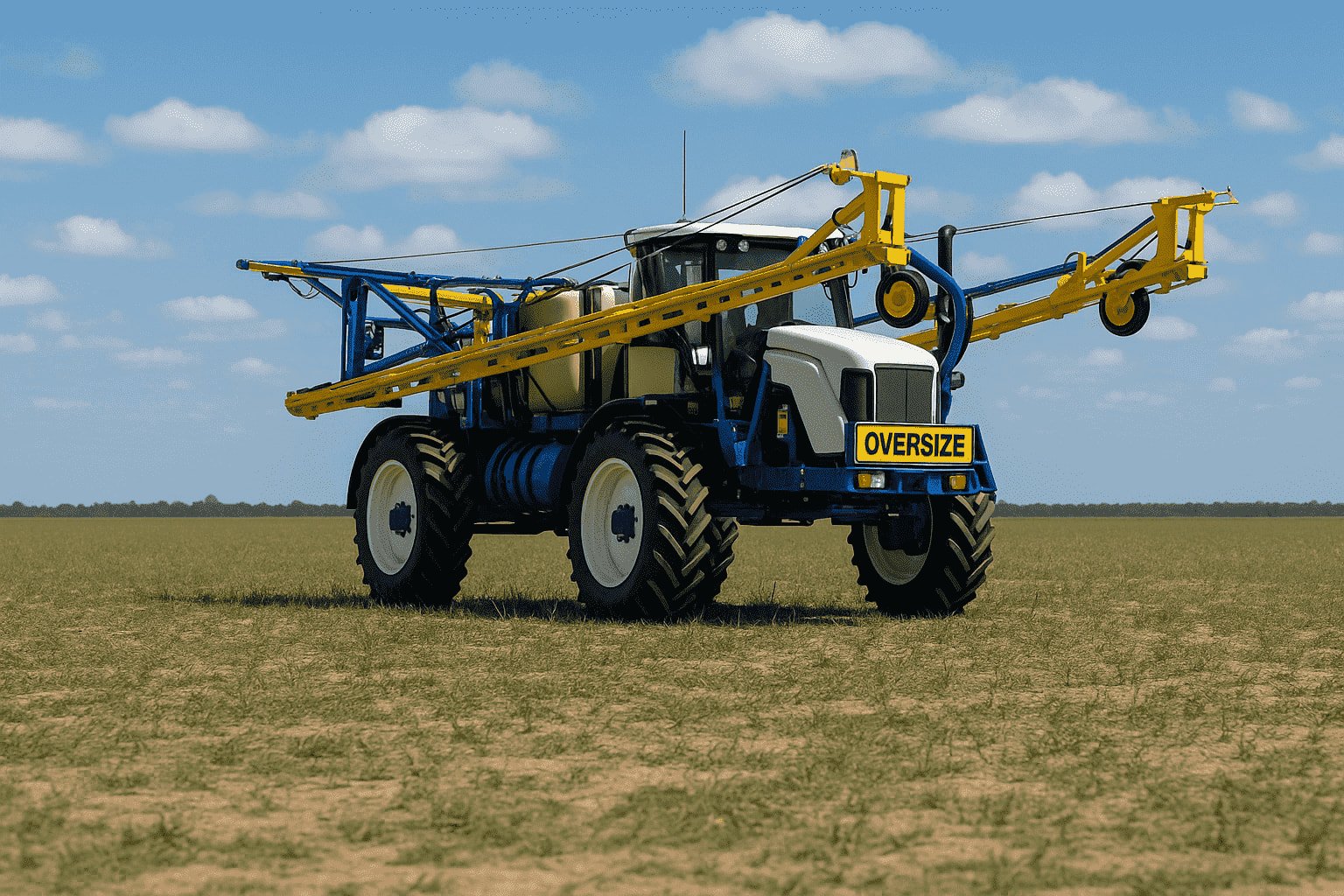
A self-propelled boom sprayer is an agricultural machine designed for efficient and precise application of liquid fertilizers, pesticides, and herbicides over large areas. These machines are equipped with their own engines and wheels, allowing them to move independently without being towed.
Key Features
- Engine-Powered Mobility: Equipped with an engine, providing independent movement.
- Adjustable Booms: Extendable arms that can be adjusted to various widths for optimal coverage.
- Precision Application: Advanced nozzles and control systems for accurate spraying.
Benefits
- Efficiency: Covers large areas quickly with minimal labor.
- Precision: Reduces wastage of chemicals, ensuring targeted application.
- Versatility: Suitable for different terrains and crop types.
How it Works
- Filling the Tank: Liquid chemicals are loaded into a tank.
- Setting Parameters: Operators adjust spray width and pressure.
- Operation: The machine moves across fields, spraying chemicals precisely.
Self-propelled boom sprayers are essential for modern agriculture, enhancing productivity and sustainability.
Are Self-Propelled Boom Sprayers Worth It?
Yes, self-propelled boom sprayers are worth it for large-scale agricultural operations. They offer superior efficiency, precision, and versatility, which can lead to increased crop yields and reduced labor costs.
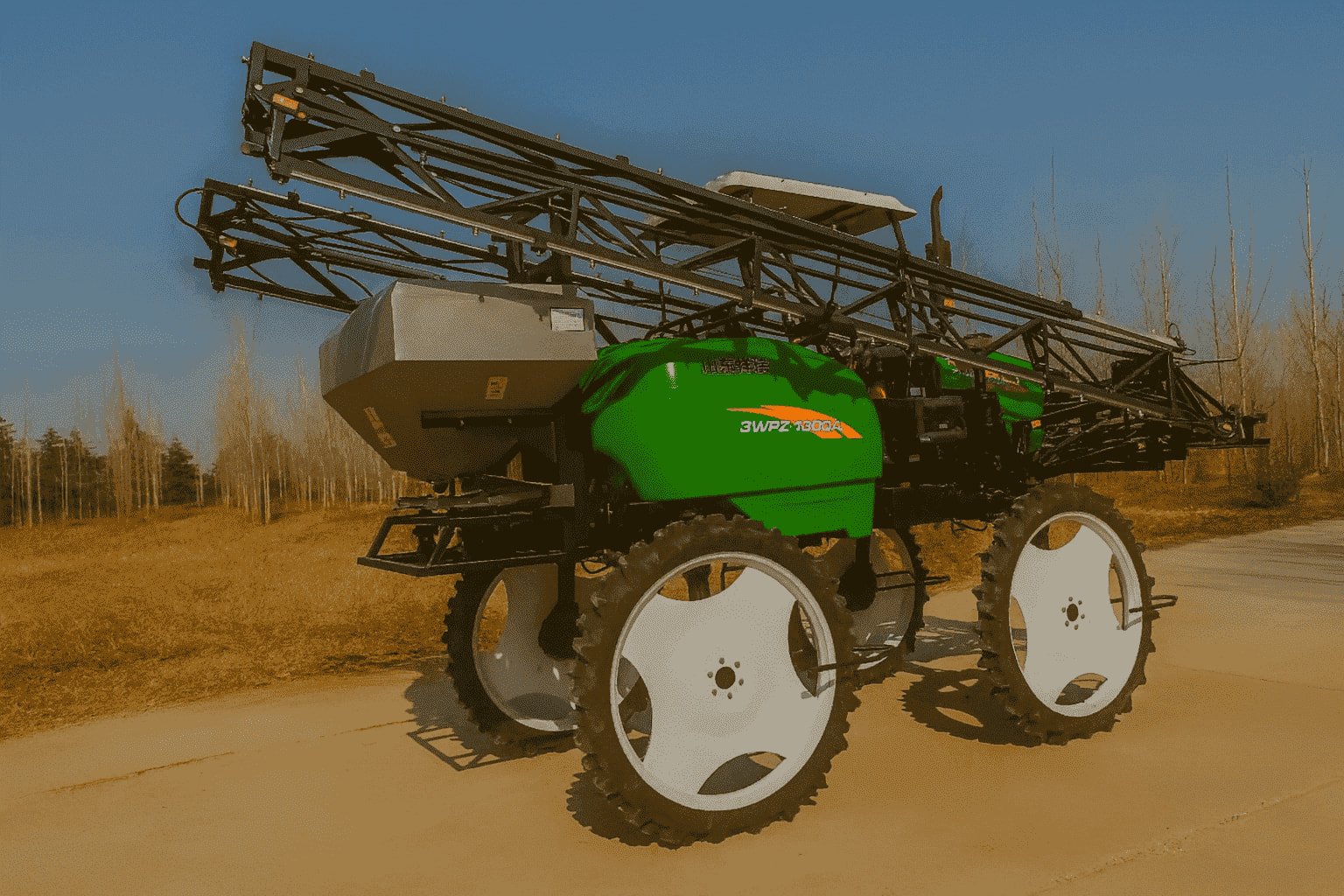
Self-propelled boom sprayers are highly efficient due to their ability to cover large areas quickly. They provide precision in application, minimizing waste and ensuring even distribution of chemicals. Additionally, their versatility allows for use in various terrains and crop types.
Key Advantages:
- Efficiency: Covers large fields rapidly.
- Precision: Ensures accurate chemical application.
- Versatility: Operates on diverse terrains and crop configurations.
- Labor Savings: Reduces manual labor requirements.
- Increased Yield: Enhances crop health and productivity.
In summary, for farmers managing extensive acreage, the benefits of self-propelled boom sprayers in terms of efficiency, precision, and overall productivity make them a valuable investment.
How Does a Self-Propelled Boom Sprayer Work?
A self-propelled boom sprayer operates by using an integrated engine to drive both the vehicle and the spraying system, allowing for precise and efficient application of pesticides or fertilizers over large areas.
Components and Operation
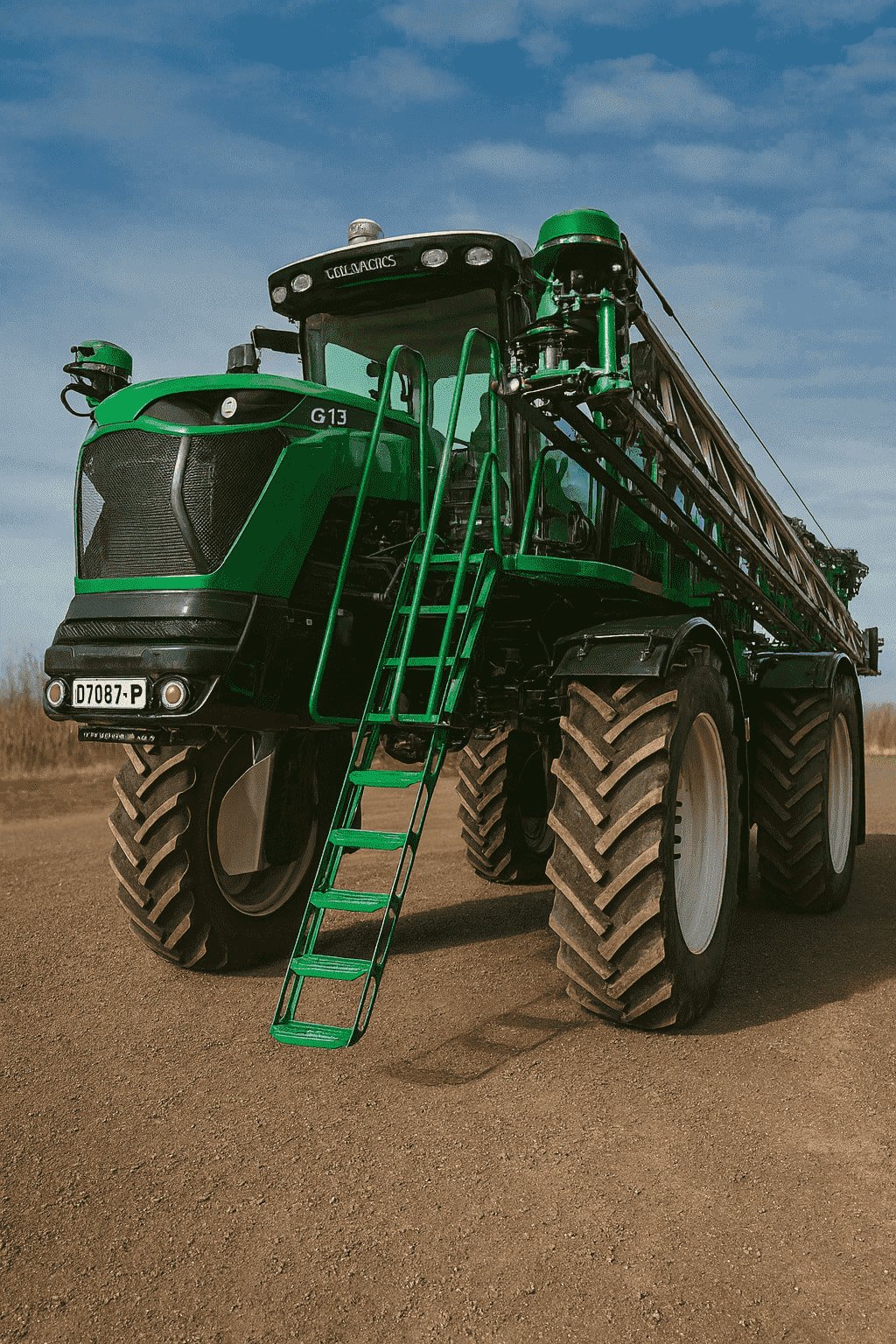
- Engine and Drive System: Powers the vehicle and the hydraulic system.
- Boom Arms: Extend outwards to cover wide swaths, usually 60-120 feet.
- Spray Nozzles: Evenly distributed along the boom, delivering the solution.
- Tank and Pump: Stores and pumps the liquid solution to the nozzles.
- Control System: Allows the operator to manage speed, pressure, and coverage.
Steps in Operation
- Filling the Tank: Load the tank with the desired liquid solution.
- Setting Parameters: Adjust spray pressure, nozzle type, and boom height.
- Driving: Navigate the sprayer across the field, ensuring even coverage.
- Spraying: Activate the nozzles to distribute the solution.
Self-propelled boom sprayers combine mobility with precise control, making them ideal for large-scale agricultural tasks.
What is the Use of Self-Propelled Boom Sprayer?
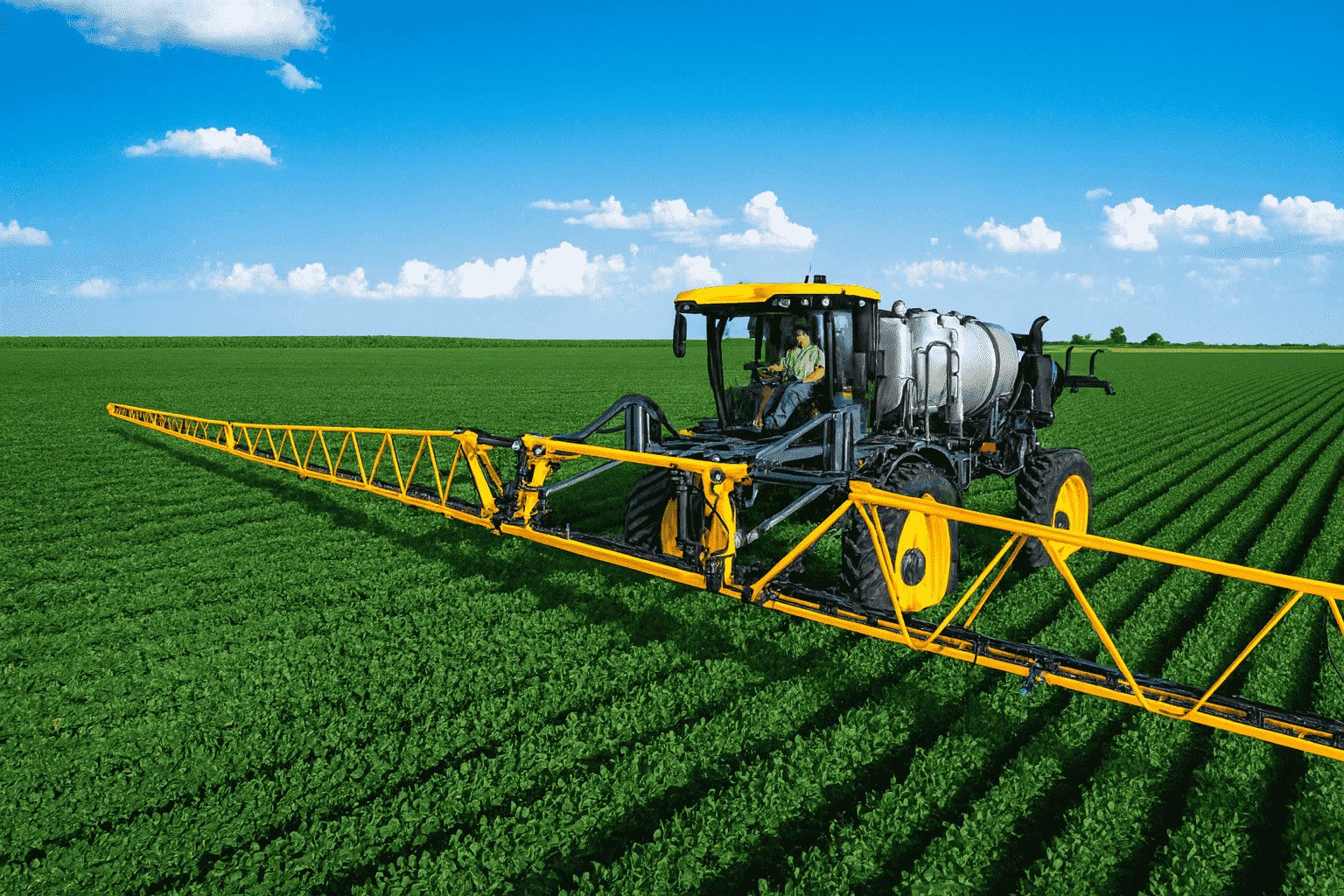
A self-propelled boom sprayer is primarily used in agriculture to efficiently apply pesticides, herbicides, and fertilizers over large areas. It enhances precision and reduces labor costs, making it essential for modern farming.
Key Benefits:
- Efficiency: Covers large areas quickly.
- Precision: Ensures even distribution of chemicals.
- Labor Savings: Reduces the need for manual spraying.
Operational Mechanism:
- Self-Propelled Movement: Motorized for autonomous movement across fields.
- Boom Arms: Extendable arms distribute chemicals uniformly.
- Spray Nozzles: Adjustable nozzles control spray pattern and volume.
Applications:
- Crop Protection: Shields crops from pests and diseases.
- Nutrient Application: Provides essential nutrients directly to plants.
- Weed Control: Targets and eliminates unwanted vegetation.
By integrating these features, a self-propelled boom sprayer significantly optimizes agricultural productivity and sustainability.
What is the difference between self-propelled and trailed sprayer?
A self-propelled sprayer has its own engine and can be driven independently, whereas a trailed sprayer needs to be towed by a tractor or another vehicle.
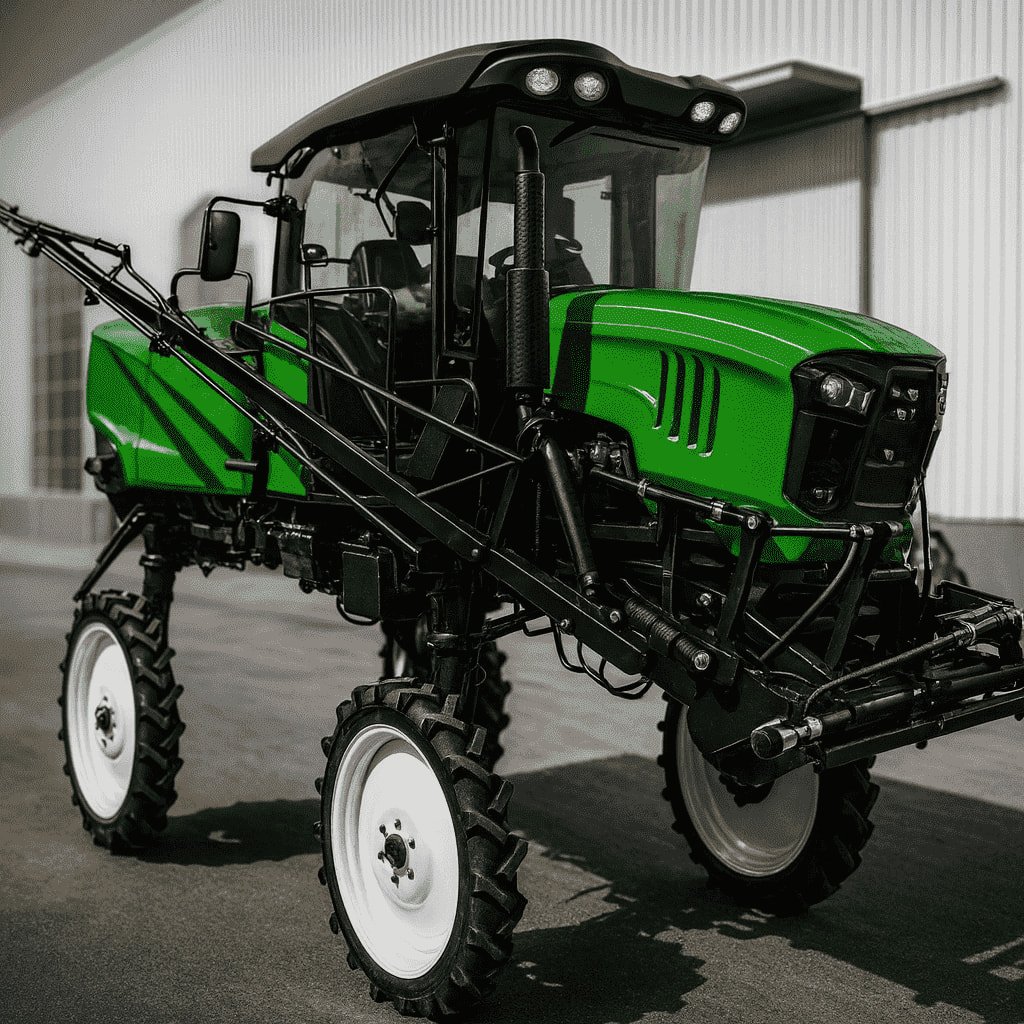
Self-Propelled Sprayer
- Engine: Equipped with its own engine for independent operation.
- Maneuverability: High, as it can navigate various terrains without a towing vehicle.
- Investment: Higher initial cost due to integrated systems and technology.
- Application: Suitable for large-scale farming operations requiring frequent and extensive spraying.
Trailed Sprayer
- Towing: Requires a tractor or another vehicle to operate.
- Cost: Generally more affordable due to fewer integrated components.
- Maneuverability: Limited by the towing vehicle’s capabilities.
- Application: Ideal for smaller farms or operations with existing tractors.
Key Considerations
- Field Size: Larger fields benefit from self-propelled sprayers due to efficiency and speed.
- Budget: Trailed sprayers are cost-effective for smaller or budget-conscious operations.
- Flexibility: Self-propelled sprayers offer more flexibility in terms of terrain and usage.
